
What if you could move to a new European destination for three weeks, continue working remotely and immediately become part of an international community?
This is exactly what Popup Colivings in Europe are making possible.
Unlike traditional coliving spaces that operate year-round, popup colivings bring together remote workers, freelancers and entrepreneurs in a specific destination for a limited period, often between two and four weeks.
Participants arrive around the same time, share accommodation or coworking facilities, and explore the destination together while maintaining their normal professional routines.
For digital nomads who enjoy travelling but don’t want to constantly start from zero when meeting people, this format offers an interesting alternative to traditional remote-work accommodation.
In 2026, temporary communities are an interesting option across Southern Europe, from historic villages in Italy and coastal towns in Greece to Spanish islands, Portuguese surf destinations and mountain communities.
But what makes popup coliving different from traditional coliving, and where should you go?
What Are Popup Colivings?
A popup coliving is a temporary community of remote professionals organized in a particular destination for a defined period.
Instead of opening a permanent accommodation facility, organizers create a short-term experience by combining suitable housing, coworking infrastructure, community management and local activities.
Some popup colivings take place inside a single property. Others use multiple apartments or houses distributed across a village or neighbourhood. The key characteristic is not the building but he fact that the community is intentionally created for a specific period of time.
Most participants join around the same dates, allowing relationships to develop naturally from the beginning.
During weekdays, people continue working. Evenings and weekends become opportunities for community dinners, outdoor activities, workshops and discovering the destination.
This format is particularly appealing to digital nomads who want the flexibility of travelling independently without sacrificing the social benefits of living with other remote workers.
Popup Coliving vs Long-Term Coliving: What’s the Difference?
The main difference between a popup coliving and a permanent coliving is how the community is organized.
A traditional long-term coliving operates throughout the year. Residents arrive and leave at different times, often staying for several weeks or months.
This provides flexibility, established facilities and the possibility of building a longer-term routine. Residents can choose their arrival dates more freely, extend their stays and gradually become part of an existing community.
Permanent colivings usually operate from a dedicated property, with bedrooms, common areas and coworking facilities available throughout the year. Community activities may be organized regularly, but the group changes continuously as residents come and go.
A popup coliving, on the other hand, usually has a defined starting date, ending date and group of participants.
Because people begin their experience together, the community often develops more quickly. Everyone is discovering the destination, meeting new people and establishing a routine at approximately the same time.
Popup colivings may take place inside one property or across multiple apartments and houses. They often include a curated programme of activities designed around the destination and the interests of the participants.
The main limitation is flexibility: you need to join during the scheduled dates, and extending your stay may not always be possible.
Neither model is inherently better.
A permanent coliving might be ideal for someone planning to spend three months in one location, while a popup experience can work particularly well for remote professionals who want a shorter but more socially connected stay.
We explored these differences in greater detail in our guide to Popup Coliving vs Permanent Coliving.
Why Popup Colivings in Europe Are Becoming Popular
Europe is particularly suitable for temporary remote-work communities.
Within relatively short distances, digital nomads can choose between Mediterranean beaches, historic cities, mountain villages, islands and rural destinations.
The continent also offers an extensive network of international airports, established remote-work communities and destinations with reliable digital infrastructure.
But the attraction of Popup Colivings in Europe goes beyond geography.
Many remote workers enjoy travelling independently but eventually discover that meeting people repeatedly in new destinations can become exhausting.
A popup community solves part of that problem.
You arrive knowing that other participants are also looking to connect, share experiences and explore the destination.
There is no need to spend your first week searching for meetups or hoping to meet someone in a coworking café.
For people working full-time, this can make the experience considerably easier.
The Main Advantages of Popup Colivings
Popup colivings offer several benefits compared with traditional accommodation and independent remote-work travel.
- Building a community from day one. One of the strongest advantages is that participants usually start their experience together. Everyone is discovering the destination, meeting the group and establishing a new routine at approximately the same time. This creates a different social dynamic from joining an established coliving where residents may already have their own friendships.
- A better balance between work and travel. A well-organized popup coliving is designed around remote-work schedules. Weekdays remain productive, while evenings and weekends provide opportunities to explore. This makes it possible to experience a new country without taking several weeks of annual leave.
- Discovering destinations beyond traditional digital nomad hubs. Popup colivings can operate in places where permanent coliving infrastructure does not yet exist. A small Italian village, a Greek mountain town or a quiet coastal destination can become a temporary remote-work hub without requiring the construction of a large accommodation complex. This is one of the reasons we believe the model has significant potential for rural destinations.
- Activities and local experiences. Community dinners, cooking workshops, hiking, kayaking, cultural visits and skill-sharing sessions help participants experience more than their accommodation. A good programme creates opportunities to connect with both other participants and local residents.
- A defined commitment. Not everyone wants to relocate for several months. A three-week popup coliving allows remote workers to experiment with a new lifestyle, destination or community without making a long-term commitment.
The Disadvantages of Popup Colivings
Despite their benefits, popup colivings are not suitable for everyone.
The first limitation is scheduling.
Unlike permanent colivings, temporary communities operate on specific dates. If those dates don’t match your availability, you may need to choose another destination or wait for the next edition.
The second consideration is privacy.
Although many experiences offer private rooms, community activities and shared spaces can create a more social environment than renting an independent apartment.
Some people may also find the fixed duration too short.
Just as friendships begin to develop, the experience comes to an end.
Finally, the quality of the experience depends heavily on the organizers.
Accommodation, internet infrastructure, community management and local partnerships all need to work together.
A popup coliving without reliable work infrastructure or genuine community management can quickly become an expensive group holiday.
Best Destinations for Popup Colivings in Europe in 2026
The best destination depends on what you want from your experience.
Some digital nomads prioritize beaches and warm weather. Others prefer nature, local culture, affordability or access to professional communities.
The following destinations represent some of the most interesting options for temporary remote-work experiences in Europe.
Popup Colivings in Italy: Authentic Villages, Culture and Community
Italy offers a particularly interesting environment for popup colivings because of its diversity.
Major cities such as Milan, Rome and Florence already attract international remote workers, but smaller destinations are increasingly offering alternatives.
Southern Italy is especially attractive for people looking for authentic local experiences, a slower lifestyle and accommodation that can be more affordable than in the country’s most famous cities.
At Tursi Digital Nomads, we have been developing temporary communities in Italy since 2021.
Rather than focusing exclusively on conventional coliving buildings, our approach connects remote workers with existing villages, local accommodation providers and community spaces.
Tursi, Basilicata: A Village That Becomes a Coliving
Tursi is a small historic town in Southern Italy and the birthplace of our project.
Instead of placing everyone inside a single building, participants stay in apartments distributed around the town and work together from a coworking space inside a former monastery.
During the day, remote workers maintain their professional routines.
In the evenings, they discover local restaurants, join community dinners and participate in activities with residents and local businesses.
The result is a popup experience where the entire village becomes part of everyday life.
Tursi is particularly suitable for digital nomads looking for an alternative to crowded European hotspots.
It combines affordable village living, a strong sense of community and the opportunity to experience Southern Italy beyond conventional tourism.
Matera, Basilicata: Remote Work in a UNESCO City
Matera offers a different type of Popup Coliving in Italy.
Internationally known for its ancient Sassi districts, the city combines extraordinary cultural heritage with restaurants, cafés and a distinctive urban atmosphere.
Our temporary communities in Matera allow remote professionals to live in the city for approximately three weeks while sharing coworking facilities and a programme of community activities.
Participants can explore the Sassi, discover Basilicata’s food traditions and enjoy the surrounding landscapes without interrupting their normal working schedules.
For people who want culture and community without moving to a large metropolis, Matera is an excellent option.
Explore our Coliving Matera experience to discover how we combine accommodation, remote work and local experiences.
Rotondella, Basilicata: Slow Living Near the Ionian Coast
Rotondella is another small town where we have organized temporary remote-work communities.
Located in Basilicata, close to the Ionian coast, it combines historic village life with access to beaches, countryside and outdoor activities.
The destination is particularly interesting for people who want to disconnect from the pace of major cities without disconnecting from their professional responsibilities.
Like Tursi, Rotondella demonstrates how popup colivings can introduce international remote workers to places that rarely appear on traditional digital nomad destination lists.
Patù, Puglia: Village Life in Salento
Puglia is one of Southern Italy’s most attractive regions, and Salento offers a combination of coastal landscapes, traditional towns and Mediterranean lifestyle.
Patù provides an alternative to staying in the region’s busiest tourist destinations.
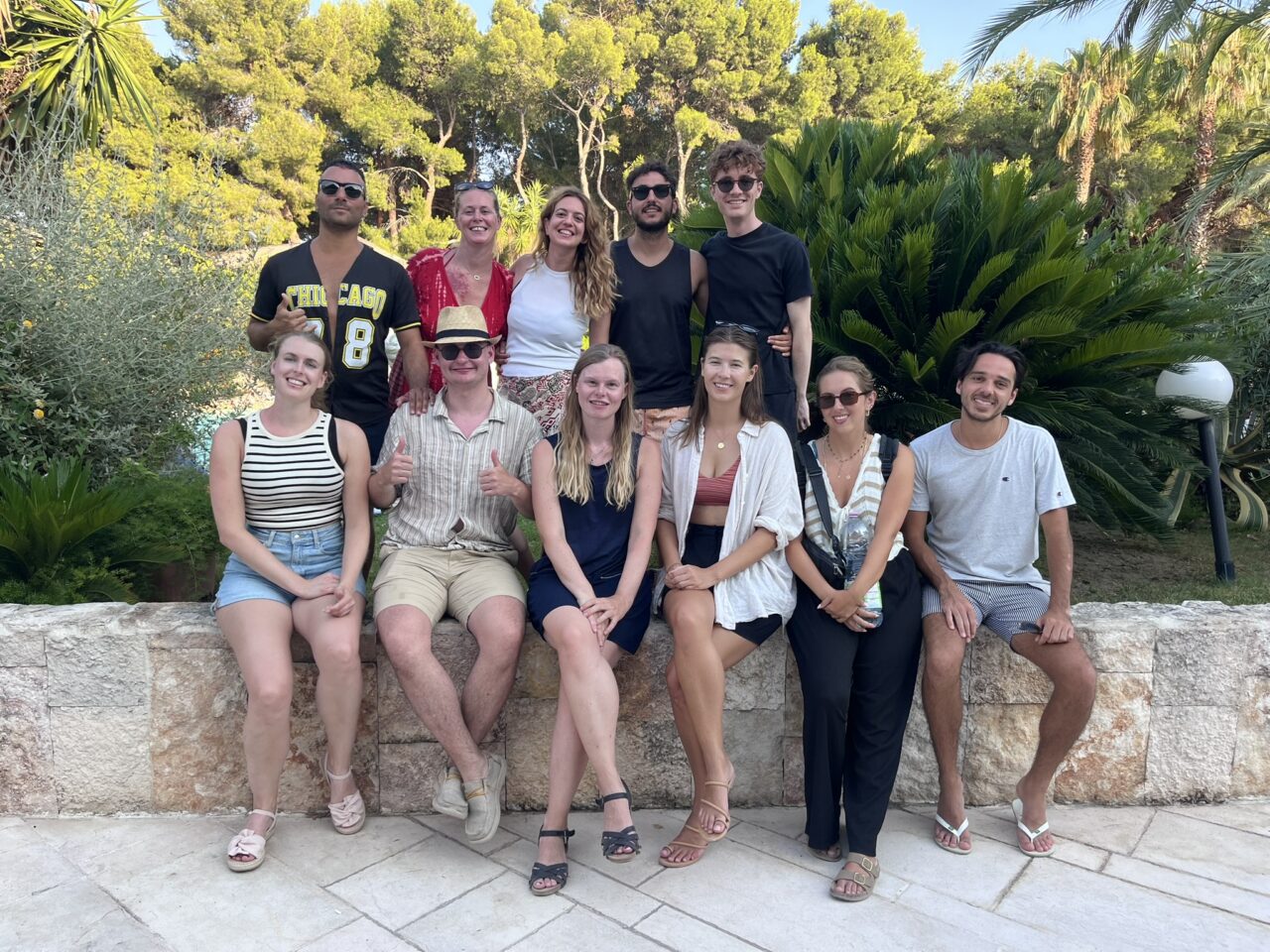
For popup coliving participants, the appeal lies in combining the tranquillity of a small village with opportunities to explore nearby beaches, local food and the wider Salento region.
This makes it particularly attractive during spring and autumn, when the weather is pleasant and the coast is less crowded.
Other Interesting Coliving Destinations in Italy
Beyond our communities, Italy has a growing ecosystem of independent coliving projects.
Destinations worth exploring include rural Umbria, Tuscany, Sicily and other parts of Southern Italy.
Not all these projects operate as popup colivings. Some provide permanent accommodation or occasional retreats.
When comparing options, check whether the experience has fixed dates, a coordinated group arrival and an organized community programme.
Popup Colivings in Greece: Mediterranean Living Beyond the Islands
Greece is another excellent destination for remote workers.
Its climate, food, natural landscapes and social lifestyle make it particularly attractive for people looking to combine work with outdoor experiences.
While Athens and Crete have established remote-work communities, smaller destinations can provide a more immersive experience.
Our Popup Colivings in Greece focus on connecting international remote workers with local communities, particularly outside the busiest tourism periods.
Parga: A Popup Coliving by the Ionian Sea
Parga is a colourful coastal town in northwestern Greece, known for its beaches, historic streets and Mediterranean atmosphere.
During summer, it attracts visitors from across Europe.
Outside peak season, however, the destination becomes quieter, creating an opportunity for a different type of visitor.
Our popup communities bring remote workers to Parga during these periods.
Participants work during weekdays and spend their free time discovering beaches, nearby villages, traditional restaurants and the landscapes of Epirus.
The experience combines international community with a destination that retains a strong local identity.
It also creates opportunities for accommodation providers and businesses to welcome visitors beyond the conventional summer season.
Discover our Coliving Parga experience for more information.
Dimitsana and Arcadia: A Mountain Workation in Greece
Not every Greek remote-work experience needs to happen beside the sea.
The mountainous Arcadia region in the Peloponnese offers traditional villages, forests, hiking routes and a very different side of Greece.
In 2025, we collaborated on a temporary remote-work community based near Dimitsana.
The experience combined normal working days with outdoor activities, local food and exploration of the surrounding mountain villages.
For digital nomads looking for nature, tranquillity and a stronger connection with rural Greece, this type of popup experience offers an interesting alternative to conventional island destinations.
Spain: Tenerife, the Canary Islands and Rural Communities
Spain remains one of Europe’s strongest destinations for digital nomads.
The Canary Islands are particularly attractive because of their year-round mild climate, outdoor lifestyle and established international remote-work ecosystem.
Tenerife combines beaches, volcanic landscapes, hiking and a large community of remote professionals.
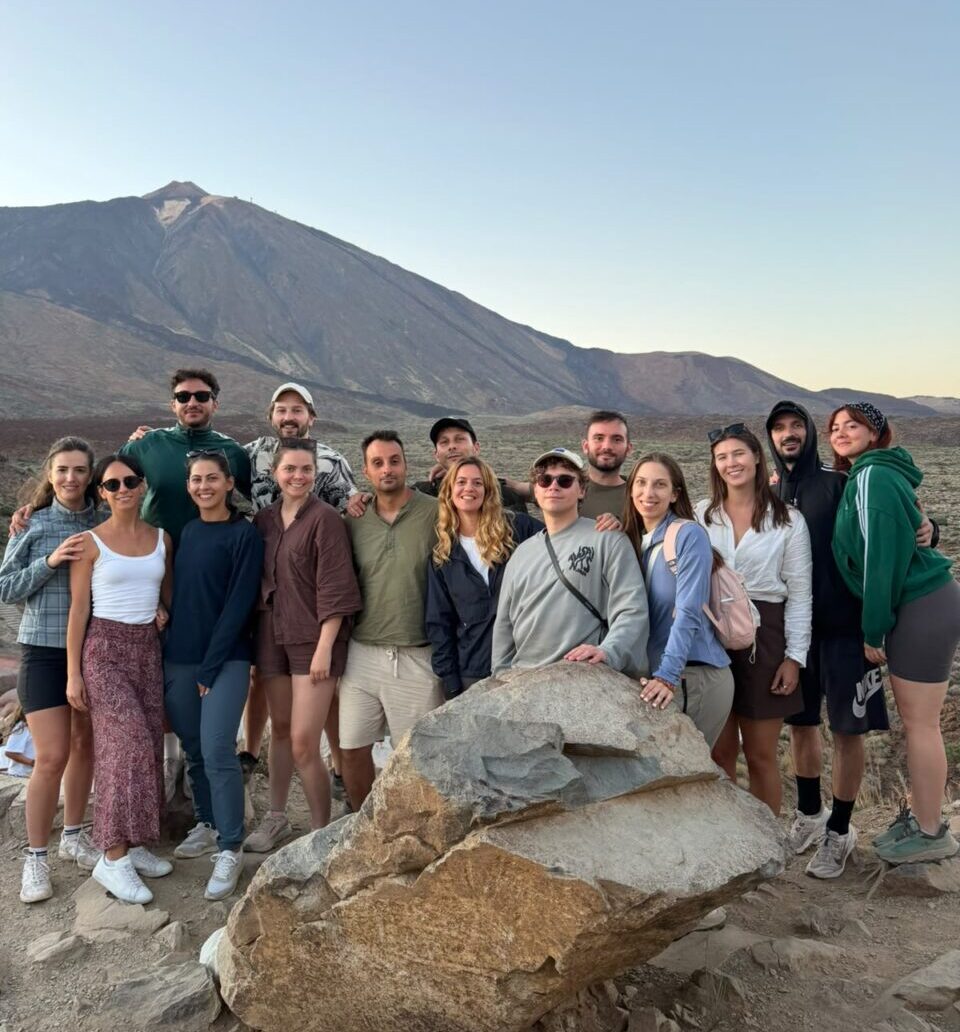
Our own Tenerife alumni experiences have allowed participants from previous communities to reconnect while continuing to work remotely.
The island also hosts established coliving operators, including Cactus Coliving, which provides community-oriented accommodation in the Canary Islands.
Mainland Spain offers additional opportunities, particularly in rural regions such as Galicia and in Mediterranean coastal destinations.
For remote workers interested in smaller communities, Spain demonstrates how coliving can extend beyond major cities such as Barcelona and Madrid.
Portugal: Coastal Workations and Community-Based Travel
Portugal has long been a popular destination for remote workers.
Lisbon and Porto offer international communities, while Madeira, the Algarve and smaller coastal towns provide different environments for longer stays.
For popup colivings, Portugal’s appeal lies in its combination of climate, nature, accessibility and established remote-work infrastructure.
Temporary communities can be particularly attractive in coastal destinations outside the busiest summer months.
Surfing, hiking, community dinners and outdoor activities fit naturally around a normal working schedule.
Organizations such as Nomadico provide community-focused coliving options in European destinations, including Portugal.
Switzerland: Mountain Communities and Alpine Coliving
For people who prefer mountains to beaches, Switzerland provides a very different coliving experience.
The Swiss Alps offer hiking, skiing, nature and an environment suited to remote professionals seeking outdoor activities.
Projects such as Coliving Frilingue and Swiss Escape demonstrate how coliving can work in mountain destinations.
These are primarily established coliving operations rather than exclusively temporary popup programmes, but they are useful references for remote workers interested in community living in Alpine environments.
When searching for popup experiences, look for specific seasonal editions, retreats or organized group programmes.
Best Organizations for Popup Colivings in Europe
The European coliving ecosystem includes different types of organizations.
Some specialize in temporary communities. Others operate permanent spaces while occasionally organizing seasonal experiences or retreats.
Understanding the difference helps you choose the right format.
Tursi Digital Nomads — Italy and Greece
Tursi Digital Nomads organizes temporary coliving communities in Southern Italy and Greece.
Our approach is based on bringing international remote workers into authentic destinations, connecting them with local accommodation providers, coworking spaces and community activities.
Experiences generally last around three weeks, allowing participants to maintain their normal working routines while developing relationships with the destination and other remote professionals.
Our locations have included Tursi, Rotondella, Matera, Patù, Parga and mountainous Arcadia, alongside community experiences in Tenerife.
Nomadico — Community-Based Coliving in Europe
Nomadico develops coliving experiences for remote workers in destinations across Europe and beyond.
Its approach emphasizes reliable workspaces, community management and opportunities to connect with other digital nomads.
Nomadico is particularly relevant for people looking for flexible stays in organized communities.
WiFi Tribe — Curated Group Travel for Remote Workers
WiFi Tribe operates a membership-based model built around organized trips for location-independent professionals.
Rather than focusing on permanent coliving properties, it brings members together in different destinations for temporary chapters.
This makes it one of the clearest examples of a travel-based community model related to popup coliving.
NOMA Collective — Organized Remote-Work Adventures
NOMA Collective organizes group experiences combining remote work, travel and community.
Its programmes are suitable for professionals who prefer a structured experience with other remote workers rather than arranging accommodation and social activities independently.
Rooral — Rural Coliving in Spain
Rooral focuses on connecting remote workers with rural Spanish communities.
Its approach is particularly relevant for people interested in slow living, local interaction and the social impact of remote work.
Although rural coliving projects can use different operating formats, Rooral is an important reference for the relationship between international remote workers and small villages.
Cactus Coliving — Community Living in the Canary Islands
Cactus Coliving operates coliving spaces in the Canary Islands.
It emphasizes community, nature and local culture, making it an interesting option for remote workers who want an established social environment.
It is not exclusively a popup coliving organizer, but it provides a useful alternative for people seeking similar community benefits with more flexible stays.
How to Find Popup Colivings in Europe
Finding a temporary coliving experience requires a slightly different approach from booking a traditional apartment.
Because popup communities operate on specific dates, availability can change considerably throughout the year.
Start by searching for terms such as “Popup Colivings in Europe”, “Popup Colivings in Italy”, “Popup Colivings in Greece” and “digital nomad community trips”.
You can also explore colivingDB’s popup calendar, which lists dated coliving experiences and organized remote-work trips.
Social media and digital nomad communities are equally valuable.
Many smaller organizers announce their programmes through Instagram, newsletters and Facebook groups before they appear on larger accommodation platforms.
When you find an interesting experience, contact the organizer directly and ask about dates, group size, accommodation, workspace and community activities.
What to Consider Before Booking a Popup Coliving
The destination is important, but the people and organization behind the experience matter just as much.
First, check the accommodation setup.
Will you have a private room? Are bathrooms shared? Is everyone staying in one building or in different apartments?
Then investigate the working environment.
A reliable internet connection, comfortable desks and spaces for private calls are essential if you plan to work full-time.
Community size also influences the experience.
Smaller groups can create more intimate relationships, while larger communities provide more opportunities to meet people with different backgrounds.
At Tursi Digital Nomads, we generally prefer communities large enough to create an active social environment without losing the personal connection between participants.
Finally, review the programme.
The best popup colivings create opportunities for activities without making participation mandatory.
You should feel free to focus on work, spend time alone or join the community whenever it suits you.
How Much Do Popup Colivings in Europe Cost?
Prices vary significantly depending on the destination, accommodation type, duration and included services.
A rural popup coliving in Southern Italy may be considerably more affordable than a premium experience in Switzerland or a popular coastal destination.
Some programmes include accommodation, coworking and community activities in one package.
Others charge separately for transportation, excursions or meals.
For a fair comparison, calculate the total cost of your stay rather than focusing only on the advertised accommodation price.
Also consider what you would otherwise spend organizing a similar experience independently.
If affordability is your priority, our guide to Affordable Coliving in Italy explains how choosing smaller destinations can help reduce costs without sacrificing community or quality of life.
When Is the Best Time to Join a Popup Coliving in Europe?
Spring and autumn are particularly attractive seasons.
From April to June and September to November, many Southern European destinations offer pleasant weather, fewer tourists and better accommodation availability.
This is especially relevant in Italy and Greece, where coastal destinations can become expensive and crowded during July and August.
For popup organizers, shoulder seasons also create opportunities to work with local accommodation providers outside their busiest periods.
Mountain destinations follow a different pattern.
Summer can be ideal for hiking and outdoor activities, while winter offers opportunities for skiing and other seasonal experiences.
The best time depends on the type of destination and lifestyle you want.
Popup Colivings and Their Impact on Local Communities
There is another reason we believe in this model.
Temporary colivings can generate value beyond the people participating in them.
In small towns, a community of remote workers staying for several weeks creates demand for accommodation, restaurants, cafés, shops and local experiences.
When the programme works directly with local residents and businesses, that spending can reach multiple parts of the destination.
Popup colivings can also help activate underused properties and introduce international visitors to places that rarely appear on traditional digital nomad maps.
In destinations such as Parga, organizing communities outside peak tourism periods can help extend economic activity into quieter months.
In villages such as Tursi and Rotondella, the model can create new opportunities for property owners and local businesses while bringing international visibility to the territory.
We explored this approach in our article on Digital Nomads Villages and rural regeneration.
Are Popup Colivings in Europe Worth It?
If you want complete independence and prefer spending several months in one place, a permanent coliving or private apartment may be a better choice.
But if you enjoy discovering new destinations, meeting international professionals and combining remote work with local experiences, popup colivings offer something different.
You don’t simply rent a room.
You join a community that starts a shared experience together.
And in many cases, you discover places you might never have considered visiting independently.
From the villages of Basilicata to the coast of Parga, the mountains of Arcadia, the Canary Islands and rural Spain, Popup Colivings in Europe are opening new possibilities for location-independent professionals.
For us, the best popup coliving is not necessarily the one with the most luxurious property or the most famous destination.
It is the one where you can work productively, build genuine relationships and experience a place in a way that would be difficult to achieve as an ordinary tourist.