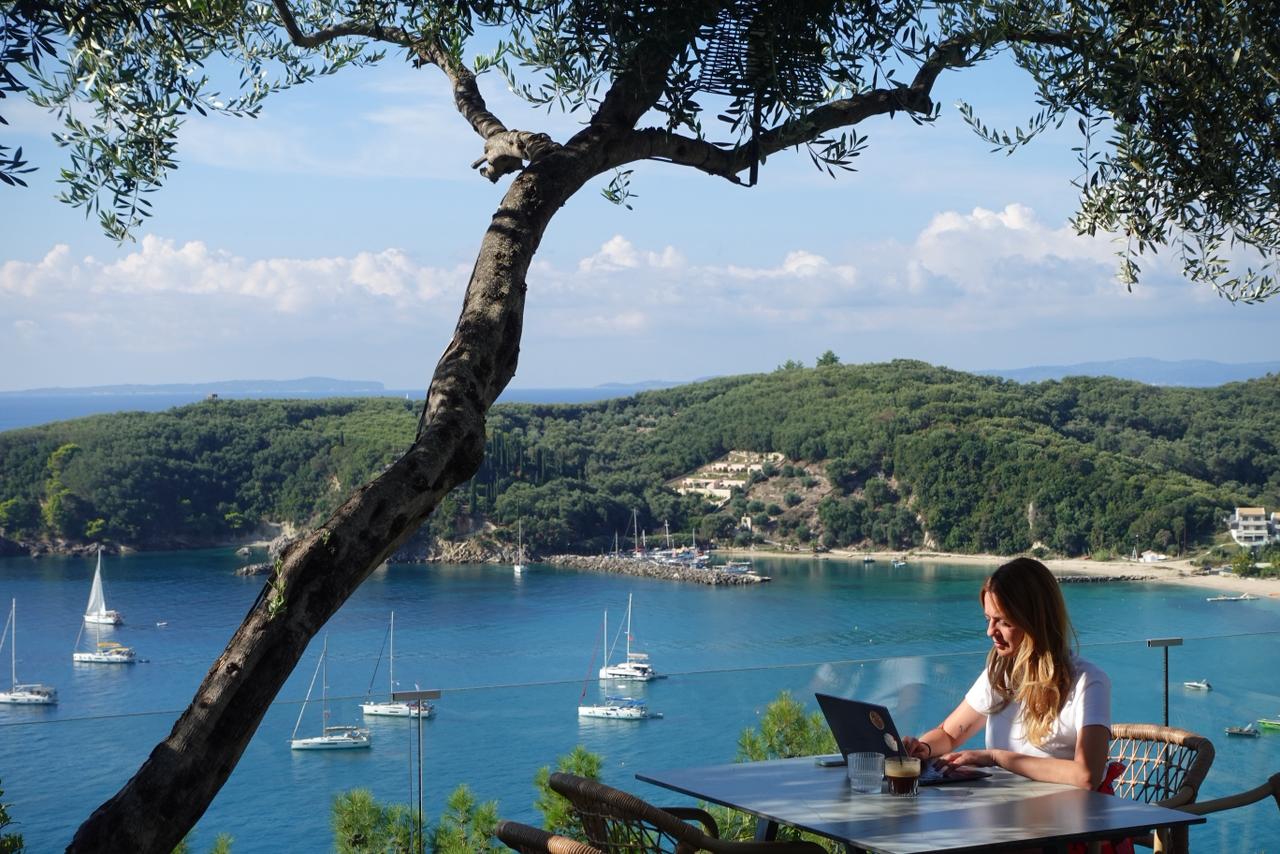

In recent years, the way we work has changed dramatically. More professionals are moving toward digital nomad jobs, choosing flexibility over traditional office-based careers. These digital nomad jobs allow people to work remotely while living in different countries, creating a new balance between productivity and lifestyle.
In this context, countries like Italy are becoming increasingly attractive, especially thanks to the growth of Colivings in Italy and the rise of strong Digital Nomads Community ecosystems that support remote workers in their relocation journey.
The most common Digital Nomad Jobs
There is no single path to becoming a digital nomad, but some professions naturally adapt better to remote work than others. These roles share a common trait: they can be performed entirely online and are based on deliverables rather than physical presence.
Below are some of the most common and accessible digital nomad jobs today, each with its own dynamics, level of stability, and entry barrier.
- Software Developer
One of the most in-demand digital nomad jobs. Developers build websites, apps, and software systems, often working in fully remote teams. These roles tend to offer high salaries and long-term contracts, making them ideal for those seeking stability while living abroad.
Typical tools & technologies: Java, Python, JavaScript, React, Node.js, Git, Docker, AWS. - UX/UI Designer
Designers focus on how digital products look and function. UX designers work on user experience, while UI designers handle visual interfaces. Many work freelance or with remote-first companies, collaborating asynchronously with global teams.
Typical tools & technologies: Figma, Adobe XD, Sketch, InVision, Webflow. - Digital Marketing Specialist
This includes roles such as SEO experts, paid ads managers, and growth marketers. These professionals help businesses grow online, often managing campaigns and analytics remotely for multiple clients.
Typical tools & technologies: Google Analytics, Google Ads, Meta Ads, SEMrush, Ahrefs, HubSpot. - Content Writer / Copywriter
Writers create blog posts, website content, newsletters, and marketing copy. This is one of the most accessible entry points into remote work, especially for those with strong language and communication skills.
Typical tools & technologies: Google Docs, Grammarly, Notion, ChatGPT, SurferSEO. - Social Media Manager
Responsible for managing brand presence on platforms like Instagram, LinkedIn, and TikTok. This role involves content planning, publishing, and engagement, all of which can be handled remotely.
Typical tools & technologies: Hootsuite, Buffer, Later, Canva, Meta Business Suite. - Online Consultant / Coach
Consultants in areas like business, marketing, fitness, or mindset offer services through video calls and digital platforms. This role is highly flexible and often tied to personal branding.
Typical tools & technologies: Jira, Calendly, Kajabi, Stripe, Notion. - Customer Support Specialist
Many international companies outsource customer support to remote teams. These roles are often entry-level and provide a steady income, although they may require fixed working hours.
Typical tools & technologies: Zendesk, Intercom, Freshdesk, Slack. - Virtual Assistant
Virtual assistants support entrepreneurs or companies with administrative tasks such as email management, scheduling, and research. It’s a flexible role that can evolve into more specialized positions over time.
Typical tools & technologies: Google Workspace, Trello, Asana, Slack, ClickUp. - E-commerce Manager
Managing online stores through platforms like Shopify or Amazon allows individuals to run location-independent businesses. This path requires more risk but offers scalability.
Typical tools & technologies: Shopify, WooCommerce, Amazon Seller Central, Stripe, Klaviyo. - Online Teacher
Teaching languages or specialized subjects online is a popular option, especially for native speakers. It provides flexibility, although income can vary depending on demand and platforms used.
Typical tools & technologies: Zoom, Google Meet, Teachable, Preply, Moodle.
As explained in our guide on 👉 https://tursidigitalnomads.pro/2026/02/04/digital-nomad-visa-italy/, many of these roles are also compatible with long-term relocation in Italy, provided that income and professional stability meet the visa requirements.
This is exactly why digital nomad jobs are becoming one of the most sought-after career paths today, especially for those looking to combine work with travel, community-driven experiences and relocation to other countries.
Where to Find Digital Nomad Jobs: Best Platforms
Finding a digital nomad job is often less about luck and more about using the right platforms and positioning yourself effectively. While traditional job boards still exist, the remote work ecosystem has developed its own specialized channels designed specifically for location-independent professionals.
Not all digital nomad jobs are created equal. Some offer more stability, while others provide greater flexibility.
A strong strategy usually combines job platforms with networking, especially within a digital nomads community, where many opportunities circulate informally and are never publicly posted.
Some of the most reliable websites to find remote jobs include:
- We Work Remotely: https://weworkremotely.com
One of the largest and most established remote job boards. It’s particularly strong for tech, marketing, and customer support roles, and most companies here are already fully remote. - Remote OK: https://remoteok.com
A global platform that aggregates remote jobs across industries, with a strong focus on developers, designers, and startup roles. - Remotive: https://remotive.com
A curated remote job board with a strong community component. It’s especially useful for marketing, customer success, and tech roles, and often features high-quality, vetted listings. - Remote.co: https://remote.co
A platform focused not only on job listings but also on resources and insights about remote work. It’s ideal for those who want to understand company culture before applying. - LinkedIn: https://www.linkedin.com
Still one of the most powerful tools when used strategically. By filtering for remote roles and optimizing your profile, you can attract recruiters and apply directly to global opportunities. - Upwork: https://www.upwork.com
One of the largest freelance marketplaces. While competitive, it offers access to a wide range of projects and is often a starting point for building a client base. - Wellfound (formerly AngelList Talent): https://wellfound.com
Ideal for those interested in startups. Many early-stage companies hire remote talent and offer flexible working environments.
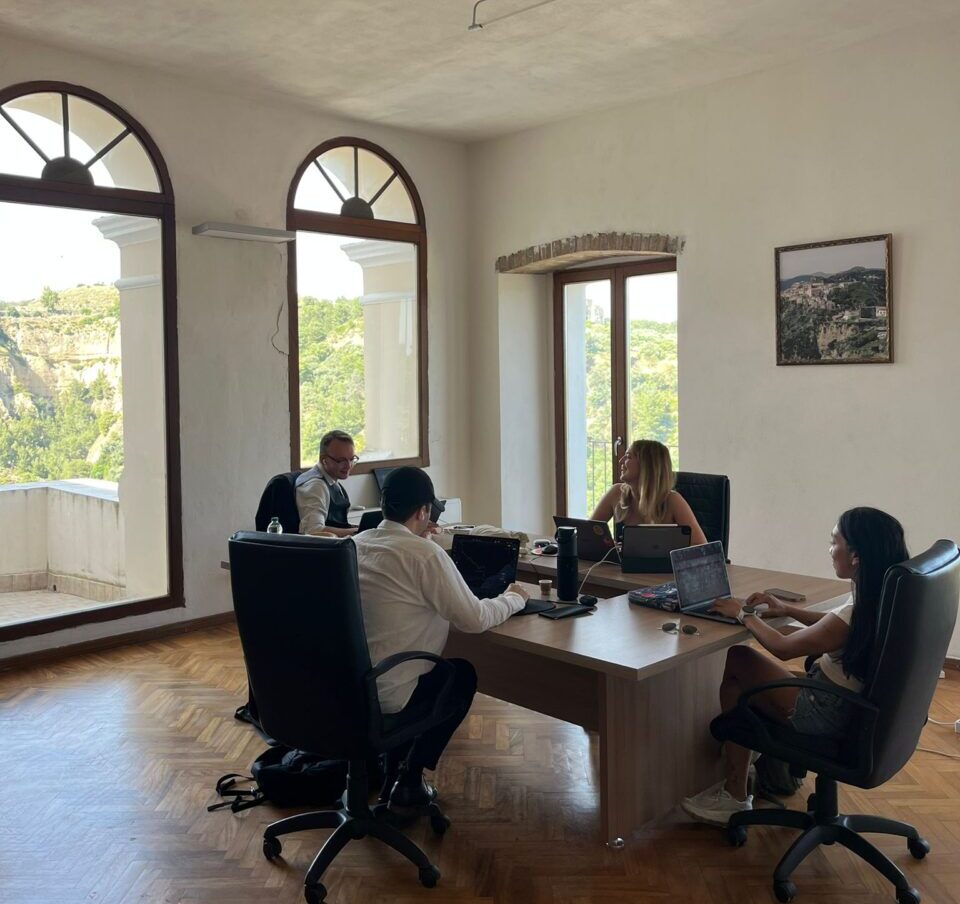
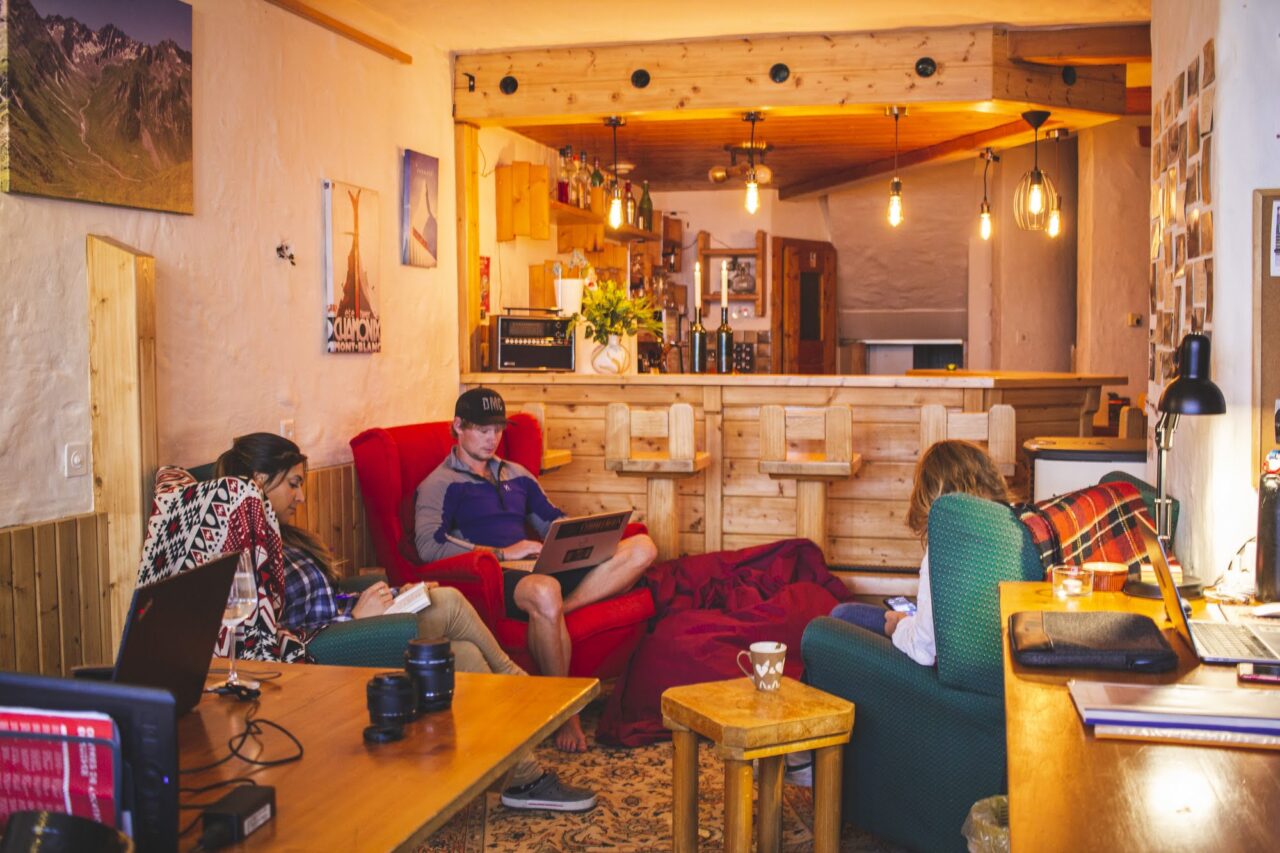
While these platforms are extremely useful, they are only part of the picture. Many digital nomads find their best opportunities through relationships built over time. This is why working from environments like a Coworking and Coliving spaces or being part of ecosystems such as the Colivings in Italy for digital nomads can make a real difference.
In these contexts, job opportunities often emerge organically through conversations, collaborations, and shared experiences. In many cases, the most valuable opportunities are not advertised, they are discovered through people.
Freelancing vs Remote Employement
One of the key decisions when building a digital nomad career is choosing between freelancing and remote employment. Each path offers different advantages, and the right choice depends on your personality, goals, and risk tolerance.
Remote employment provides structure. A fixed salary, defined responsibilities, and a clear workflow make it easier to plan your life, especially when dealing with relocation, visas, and taxation. This is why many digital nomads begin their journey as employees.
Freelancing, on the other hand, offers flexibility and independence. You can choose your clients, define your workload, and potentially increase your income over time. However, this freedom comes with uncertainty. Income may fluctuate, and building a stable client base requires time and consistency.
In real-life scenarios, many professionals transition gradually. They start with a remote job, gain experience working independently, and then move into freelancing once they feel confident in their network and skills.
How to start a Digital Nomad career
Starting a digital nomad career is often less about changing what you do and more about changing how you do it. Many people already have skills that can be adapted to remote work, but they underestimate their potential.
The first step is understanding whether your current role can be performed remotely. In many cases, it can but it requires reorganizing workflows, improving communication, and demonstrating reliability.
The second step is building a solid professional foundation. This includes not only tools and systems, but also a mindset focused on consistency. Being a digital nomad is not about working less; it’s about working differently.
A common mistake is focusing too much on the lifestyle and not enough on the work itself. The reality is simple: without stable work, there is no sustainable digital nomad lifestyle.
Why Digital Nomads Community Matters
One of the most underestimated aspects of this lifestyle is the importance of being part of a digital nomads community. A strong digital nomads community provides not only social interaction, but also access to opportunities, shared knowledge, and support systems that make the transition into digital nomad jobs much easier.
Especially in destinations like Italy, the presence of a well-connected digital nomads community can significantly impact your experience, helping you integrate faster and build meaningful relationships.
A strong Digital Nomads Community provides not only social interaction, but also practical support. Through shared experiences, digital nomads can learn faster, avoid mistakes, and find opportunities that would be difficult to access alone.
Communities are also where meaningful connections happen. Collaborations, friendships, and even long-term projects often emerge organically when people share the same space and mindset.
If you’re considering relocating to Italy, we strongly recommend connecting with others who have already gone through the process. For example, in our guide 👉 https://tursidigitalnomads.pro/2026/02/04/digital-nomad-visa-italy/ you can find insights not only about the visa, but also about the real-life challenges people face after arriving.
Colivings in Italy: The New Infrastructure of Remote Work
The growth of Colivings in Italy is directly connected to the rise of digital nomad jobs. These spaces are designed to support remote workers not only with infrastructure, but also with community. Many professionals who start with digital nomad jobs eventually choose to join the Colivings in Italy to create a more stable and connected lifestyle.
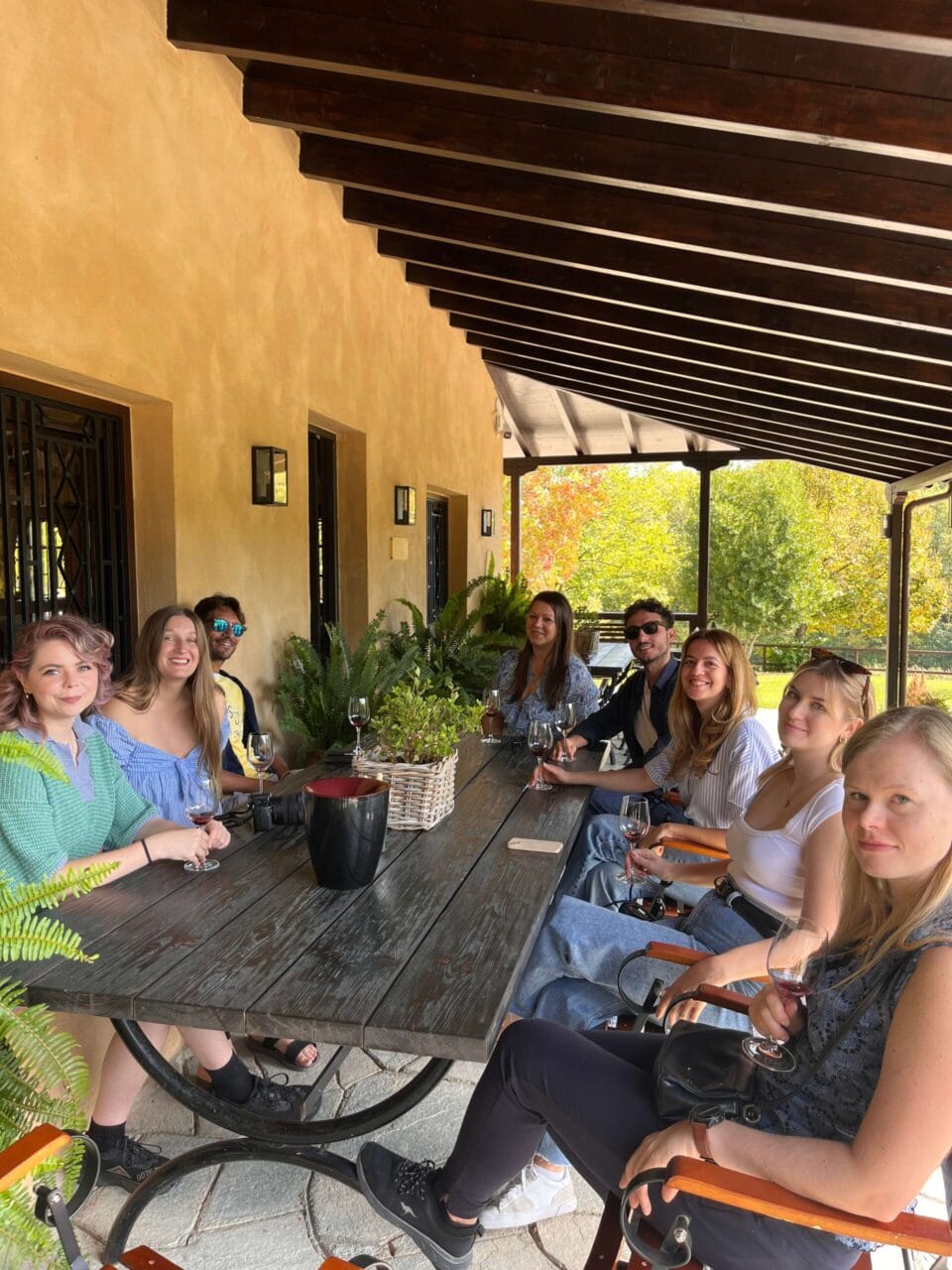
These spaces are designed to combine productivity and community. Instead of separating work from life, they create an environment where both coexist naturally. You work during the day, but you also share meals, experiences, and conversations with people who are on a similar journey.
In Italy, this model is gaining momentum, especially in smaller towns like Tursi where local communities are opening up to international remote workers. This is where initiatives like the Colivings in Italy for digital nomads are making a real impact, transforming underutilized spaces into vibrant hubs of activity.
If you’re curious about how these experiences actually work, you can explore more about our projects and approach here 👉 https://tursidigitalnomads.pro/
Why Italy Is Becoming a Hub for Digital Nomad Jobs
Italy offers a unique combination of factors that make it increasingly attractive for digital nomads. Beyond its well-known cultural appeal, it provides a slower pace of life, diverse landscapes, and an emerging ecosystem of remote work infrastructure.
What is particularly interesting is the shift toward smaller destinations. While major cities still attract professionals, many digital nomads are now choosing secondary locations where they can find a better balance between cost, lifestyle, and community.
This is where the concept of the Colivings in Italy for digital nomads becomes especially relevant. These initiatives are not just about accommodation; they are about creating environments where people can connect, collaborate, and integrate into local contexts.
Final Thoughts: Building a Sustainable Digital Nomad Career
Digital nomad jobs are not just a trend, they are redefining how people approach work and life. As more professionals move toward digital nomad jobs, the importance of choosing the right environment becomes crucial.
This is where the Colivings in Italy and a strong digital nomads community play a key role, offering not just a place to stay, but a framework to build connections, collaborations, and long-term opportunities.
If you are exploring digital nomad jobs, Italy is no longer just a destination, it is becoming a true ecosystem for remote workers.