

For Digital Nomads, finding a place to stay is relatively easy. Finding a place where you can live, work comfortably, meet interesting people and actually feel part of a community is much harder.
This is exactly where coliving comes in.
A coliving is more than shared accommodation. At its best, it combines private living spaces, reliable work infrastructure, common areas and an active community under one experience. Instead of arriving in a new destination and having to find an apartment, coworking space, social life and local network separately, you find them all within the same ecosystem.
Over the last few years, Colivings in Europe have become an increasingly important part of the remote-work landscape. From large urban spaces to small rural communities, there are now very different models available.
But not every coliving provides the same experience.
In this guide, we explore what coliving actually means, how to find the right one, what you should consider before booking, how much you can expect to pay and why community management can make the difference between simply sharing a building and having an unforgettable experience.
What Is Coliving for Digital Nomads?
Coliving is a residential model where people have their own private or semi-private living space while sharing common areas and, usually, a range of services.
For Digital Nomads, however, the concept has evolved far beyond traditional shared housing.
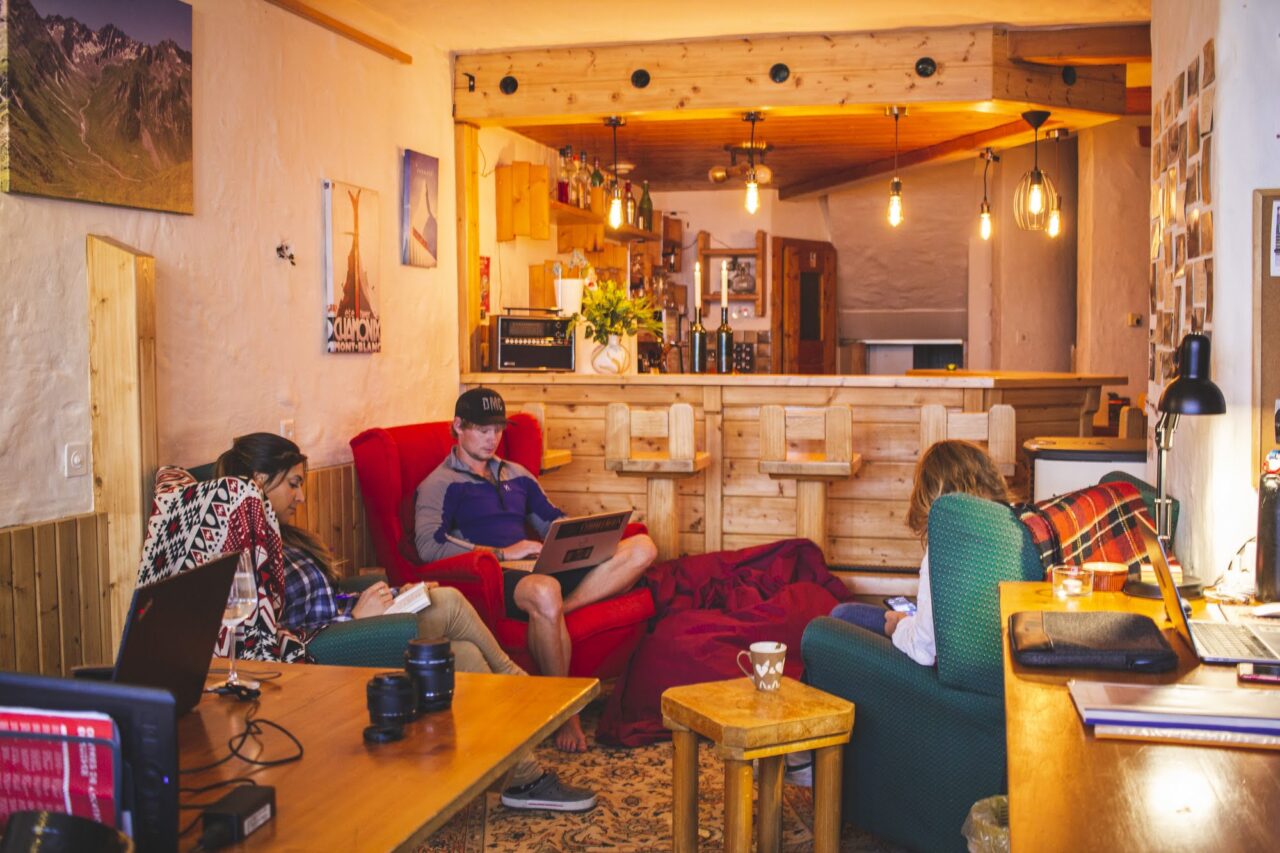
A good digital nomad coliving normally combines accommodation with a professional workspace, high-speed internet, communal areas and opportunities to meet other remote workers.
The fundamental difference between a coliving and a normal apartment rental is therefore not necessarily the building.
It is the experience around it.
You could rent a beautiful apartment in Rome and still spend your first two weeks working alone from your kitchen table without knowing anyone. In a well-designed coliving, you may arrive on Monday and by Tuesday already have people to work with, have dinner with and explore the destination alongside.
For people who regularly change countries, that reduction in social friction is extremely valuable.
How to Find the Best Colivings Online
Finding the right coliving has become much easier as the ecosystem for Digital Nomads has grown. Today, there are specialized platforms, community directories and online groups that can help you discover options almost anywhere in the world.
One of the best starting points is Coliving.com, one of the largest global platforms dedicated specifically to coliving. You can search by destination, compare different properties, check prices and amenities, read reviews and explore both urban and rural options. It is particularly useful when you already know where you want to go and want to compare several colivings in the same destination.
Another interesting resource is Mapmelon, a platform built around discovering coliving communities around the world. Its map-based approach is particularly useful for Digital Nomads who are flexible about their next destination and want to explore what communities exist across a region rather than searching for a specific city.
Coliving Compass and Coworkations can also be useful resources when researching coliving and remote-work communities, while broader platforms such as Nomad List can help you compare destinations first — looking at factors such as cost of living, internet, climate and remote-work community — before searching for a specific coliving.
Google remains surprisingly effective as well. Try specific searches such as “Coliving in Italy,” “Colivings in Europe,” “rural coliving Spain,” “digital nomad coliving Greece” or simply “coliving + destination.” This often helps you discover independent colivings that may not be listed on the largest platforms.
But don’t stop at directories and booking pages.
Instagram can tell you a surprising amount about the actual experience. Look beyond professionally produced photos of bedrooms, swimming pools and coworking spaces. Are there real pictures of residents cooking together, working, exploring the destination or participating in activities? Does the same community appear repeatedly, or does the account look more like a hotel feed?
Facebook groups, Reddit and dedicated Digital Nomads communities are equally valuable. Asking “Has anyone stayed here?” can generate insights that you will never find on an official website. Reviews are useful too, but pay particular attention to what previous guests say about the community, hosts and atmosphere rather than only the quality of the accommodation.
Finally, once you have a shortlist, contact the coliving directly. Ask who will be there during your dates, how many residents they expect, the typical length of stay, whether there is an active Community Manager and what activities normally happen during the week.
The objective is not simply to find the nicest property at the best price. The best coliving for Digital Nomads is the one that combines the right destination, reliable infrastructure and, above all, a community you actually want to be part of.
What to Consider Before Booking a Coliving
The first question should be surprisingly simple: what kind of experience are you looking for?
Some colivings are highly social. Others prioritize productivity and quiet. Some attract entrepreneurs and freelancers, while others have a broader mix of remote employees, creatives and long-term travelers.
Then consider the practical elements.
Internet speed should be verified, particularly if your job involves frequent video calls. Check whether there is a dedicated coworking area or whether “workspace” simply means a table in the living room. Ask about private call areas if you regularly have meetings.
Look carefully at the accommodation too. Is your bedroom private? Do you have your own bathroom? How many people share the kitchen? Are utilities, cleaning and coworking included in the advertised price?
Location matters as well. A beautiful rural house can be an amazing experience, but not if you expect to walk to restaurants, supermarkets and nightlife every evening.
Most importantly, ask who else will be there.
For Digital Nomads, the people sharing the experience often matter more than the property itself.
How Big Should a Coliving Be?
There is no perfect number, but size has a significant impact on the community dynamic.
Very small colivings of four or five people can feel intimate, but they are also vulnerable: if two guests are busy or simply don’t connect with the group, the social experience can disappear quickly.
At Tursi Digital Nomads, we generally prefer communities with at least 10 people.
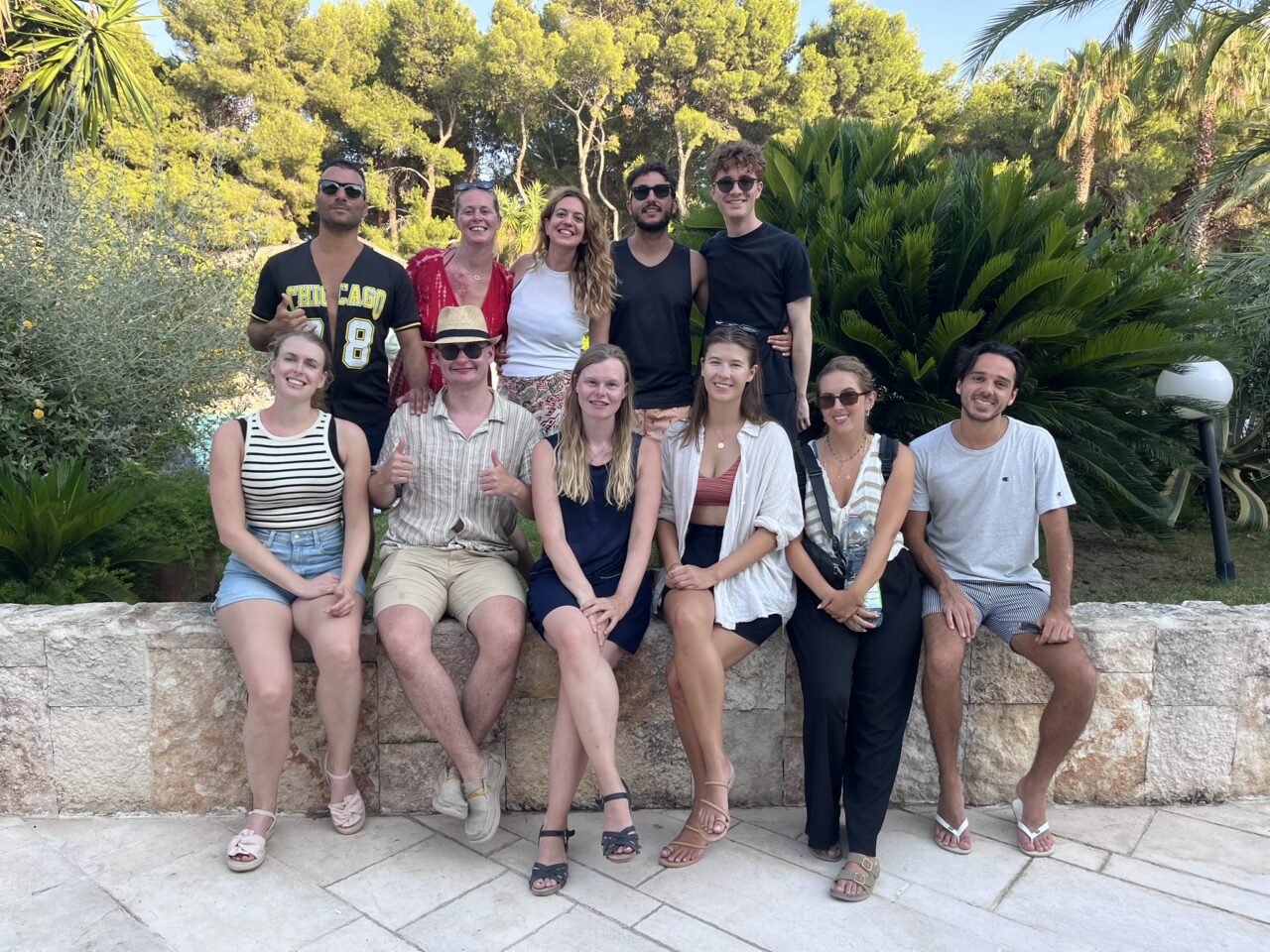
Once a group reaches around 10–20 participants, something interesting happens. There are enough personalities, professions and interests for smaller groups to form naturally, while the community remains small enough for people to actually know one another.
Large colivings can provide even more diversity and constant activity, but they require much stronger community management. Without it, a 40-room coliving can easily start feeling like a hotel populated by people with laptops.
The question is therefore not simply “How many rooms does it have?”
Ask instead: how many people will actually be living together, and how is that community managed?
Community Management: The Difference Between Coliving and Accommodation
You can have a spectacular building, perfect WiFi and beautiful bedrooms and still have a mediocre coliving.
Why?
Because community doesn’t automatically happen when you put Digital Nomads under the same roof.
The strongest colivings usually have a Community Manager or host whose role is to connect people, welcome newcomers, facilitate activities and create the conditions for spontaneous interaction.
A good Community Manager doesn’t fill every hour with mandatory activities. Quite the opposite.
Their job is to create enough structure for relationships to develop naturally.
That can mean organizing a welcome dinner, introducing guests with similar professional interests, creating a WhatsApp group, suggesting weekend activities or simply noticing that someone new hasn’t connected with the group yet.
This invisible work is one of the most underestimated elements of successful coliving.
What Do People Actually Do Together in a Coliving?
The best activities often aren’t the most complicated ones.
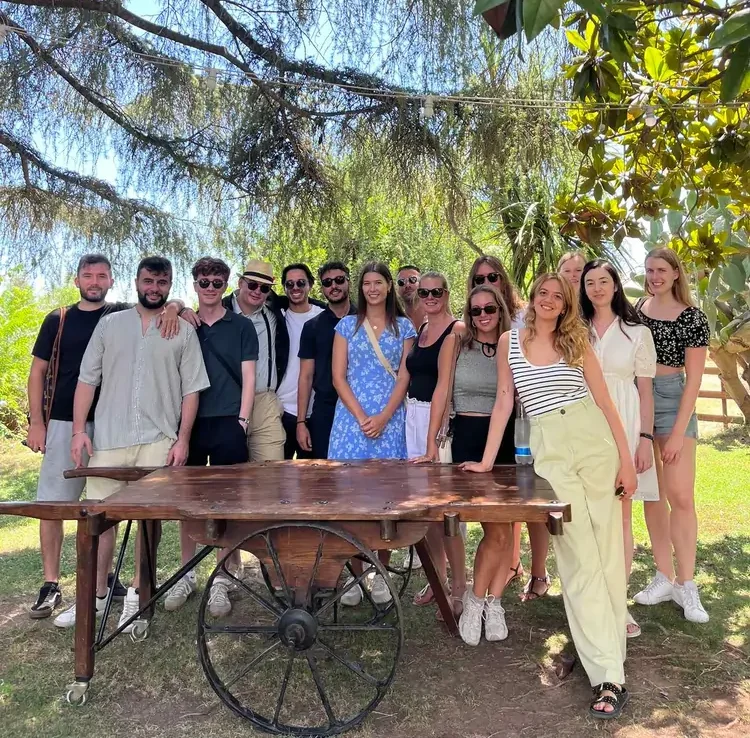
Community dinners are probably one of the most effective ways to connect a group. Cooking together, having an aperitivo or organizing an international potluck creates natural conversations without forcing networking.
Coworking can become social too. Skill-sharing sessions, workshops and informal presentations allow residents to learn from one another. A developer might organize an AI session, a marketer could share SEO strategies, while an entrepreneur might ask the group for feedback on a new project.
Then there are activities connected to the destination itself.
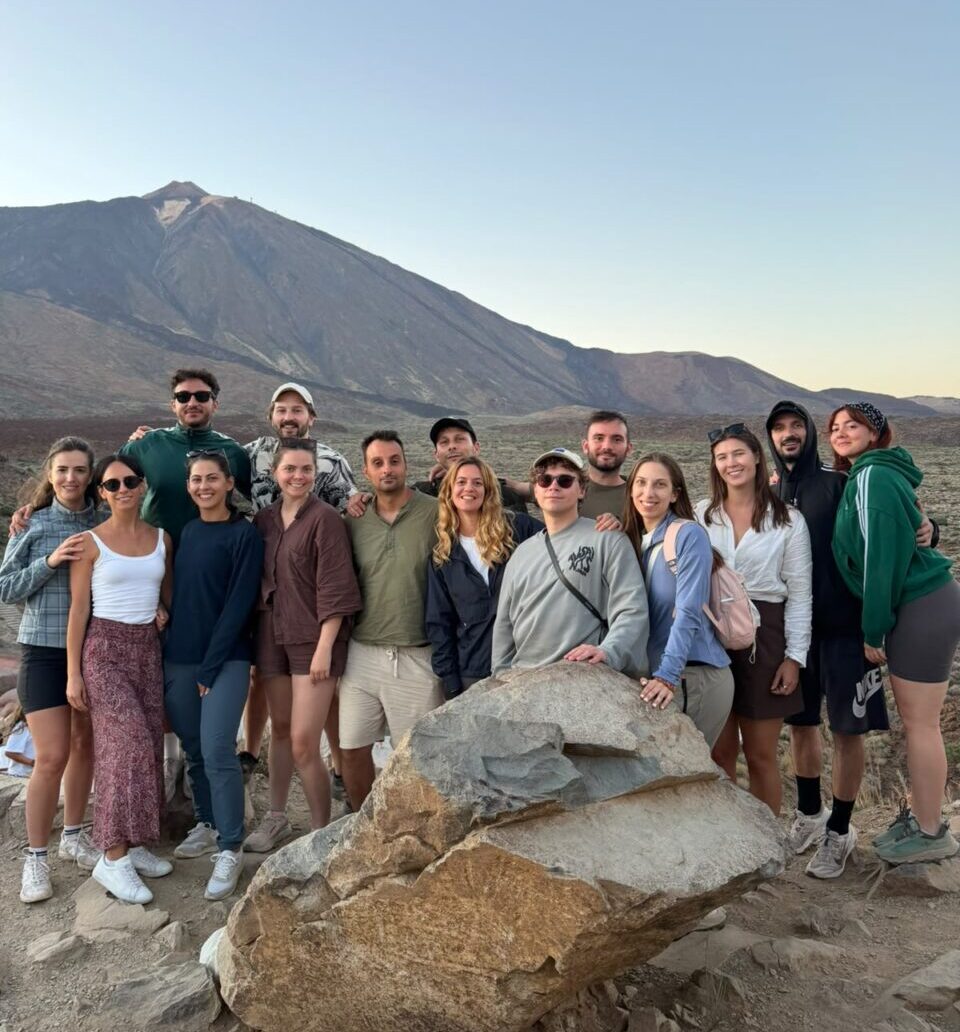
In our communities in Southern Italy, for example, the objective is not to create an international bubble disconnected from the territory. Local food experiences, hiking, wine tastings, village festivals, workshops with residents and dinners with local families allow Digital Nomads to understand where they are actually living.
That local dimension is especially powerful in rural colivings.
How Much Does Coliving Cost?
Prices vary enormously according to destination, season, room type and services included.
Across Europe, a monthly stay can range from roughly €600–€900 in affordable rural destinations to €1,500–€2,500 or more in popular cities and premium colivings. Private rooms with private bathrooms naturally sit toward the higher end.
But comparing coliving directly with rent can be misleading.
A €1,000 coliving package might include utilities, high-speed internet, coworking, cleaning, community management and activities. A €750 apartment may initially appear cheaper, but internet, utilities, coworking and other expenses can quickly close the difference.
For Digital Nomads, there is also another cost that is difficult to quantify: arriving somewhere without a network.
Part of what you are paying for in a good coliving is immediate access to an existing community.
The Best Cities for Digital Nomads Looking for Coliving
Big cities remain attractive because they combine infrastructure with large international communities.
Lisbon, Barcelona, Valencia and other established remote-work destinations have developed mature ecosystems around Digital Nomads, although their popularity has also contributed to higher prices and growing pressure on housing.
In Italy, Milan and Rome provide the largest professional ecosystems, while Florence and Bologna combine international communities with more compact urban environments. Southern cities such as Bari and Palermo provide lower costs and warmer climates.
But the most interesting development may actually be happening outside major cities.
As remote workers become more experienced, many are starting to look beyond the classic nomad hubs toward smaller destinations where community can be deeper and everyday life less transient.
Colivings in Europe: From Spain and Switzerland to Greece
The variety of Colivings in Europe shows how much the concept has evolved.
In Spain, Rooral has developed a model centered on bringing remote workers into rural communities rather than concentrating them in already saturated cities. It demonstrates how coliving can create connections between international professionals and small territories while giving Digital Nomads an alternative to conventional hotspots.
In Switzerland, Coliving Frilingue combines communal living with a mountain environment and a strong emphasis on cultural and social experiences. It represents another interpretation of what Colivings in Europe can become when the destination itself is central to the experience.
The Canary Islands have also developed one of Europe’s strongest remote-work ecosystems. Cactus Coliving in Tenerife is part of this landscape, combining the island lifestyle with community and infrastructure designed around remote workers.
Greece offers another direction entirely. Destinations such as Parga demonstrate the potential for temporary and pop-up communities in places that traditionally depend heavily on seasonal tourism. Bringing Digital Nomads during quieter periods can create a very different relationship between visitors and the local economy.
Together, these examples show that Colivings in Europe no longer follow one standard model. A coliving can exist in a major city, a Spanish village, the Swiss mountains, a Canary Island or a small Greek coastal town.
Rural Colivings: Why Digital Nomads Are Leaving the Big Cities
For years, digital nomadism concentrated heavily around a relatively small number of cities.
Now another model is emerging.
Rural colivings provide something major urban hubs struggle to offer: space, nature, slower rhythms and stronger interaction with local communities.
They can also create economic opportunities for places experiencing depopulation or seasonal tourism by bringing professionals who stay for weeks rather than tourists who visit for a weekend.
For Digital Nomads, the trade-off is clear. Rural destinations usually offer less nightlife, fewer restaurants and weaker public transportation. In exchange, they can provide lower costs, deeper relationships and a much stronger sense of place.
The key is infrastructure. A rural coliving needs excellent internet, a real workspace and thoughtful community management precisely because those services may not exist elsewhere in the destination.
Coliving in Italy: Tursi, Matera and the Rise of Basilicata
The growth of Coliving in Italy is particularly interesting because Italy has thousands of smaller towns that could potentially benefit from remote work.
While traditional tourism concentrates visitors in destinations such as Rome, Florence and Venice, coliving can direct longer-term international visitors toward places that rarely participate in those flows.
Basilicata is a good example.
At Tursi Digital Nomads, we started building remote-work communities in Tursi, a small town in Southern Italy where remote workers can experience village life while having access to coworking and an international community.
Tursi offers a very different interpretation of Coliving in Italy. Rather than placing everyone inside an isolated complex, participants live within the historic town, use local businesses and interact with residents as part of everyday life.
Matera offers another model. The internationally known city of the Sassi combines extraordinary cultural heritage with the possibility of experiencing Southern Italy beyond the traditional holiday format. Our communities in Matera bring remote workers together for longer stays, combining accommodation, coworking and shared experiences.
More broadly, Basilicata demonstrates why rural Coliving in Italy has so much potential. The region offers lower costs than Italy’s largest cities, dramatic landscapes, historic villages and communities where the presence of international remote workers can have a visible impact.
For Digital Nomads who have already experienced Barcelona, Lisbon or other established hubs, Tursi, Matera and Basilicata offer something very different: the opportunity to become part of a place rather than simply staying in it.

Why Coliving Can Be Transformative
Ask people what they remember from a great coliving and they rarely start by describing the mattress.
They remember people.
They remember the dinner that lasted until midnight, the weekend trip nobody planned, the conversation that became a business idea or the person who was supposed to be a stranger and became a close friend.
This is why coliving can be particularly powerful for Digital Nomads.
Constant mobility creates freedom, but it can also create loneliness and superficial relationships. Coliving introduces continuity into that lifestyle. For a few weeks or months, you stop being an anonymous traveler and become part of a small community.
We’ve seen friendships, professional collaborations and relationships emerge from our own communities long after participants left Tursi, Matera or Basilicata.
That is ultimately the difference between accommodation and coliving.
One gives you somewhere to sleep.
The other can give you somewhere to belong.
How to Choose the Right Coliving
Before booking, don’t ask only whether the room looks good.
Ask who the experience is designed for.
Look at the size of the community, internet and coworking infrastructure, average length of stay, location, Community Manager, activities and how much interaction there is with the surrounding destination.
Read reviews for clues about the atmosphere. Look at social media to see what daily life actually looks like. And, when possible, speak directly with the hosts before committing to a long stay.
Whether you choose one of the established Colivings in Europe, a rural project in Spain or Greece, or a Coliving in Italy in places such as Tursi and Matera, the best choice is ultimately the one whose community matches the experience you want.
For Digital Nomads, the question is no longer simply Where am I going next?
Increasingly, it is:
Who do I want to experience that place with?