
For remote workers looking for community while travelling, the choice is no longer limited to booking an apartment or staying in a hotel. Permanent Coliving, Pop Up Coliving and Coworking Trip experiences offer three different ways to combine work, travel and social life.
They may look similar from the outside: you travel somewhere, meet other remote workers and work alongside them. But the experience can actually be very different.
A permanent coliving gives you flexibility and an established home for remote workers. A coworking trip maximizes travel and shared experiences. A Pop Up Coliving sits somewhere in between: a temporary community created in one destination for a defined period of time.
After organizing remote-work communities in Italy and across Europe, we believe this third model offers one of the best balances for digital nomads. Here is why.
What Is a Permanent Coliving?
A permanent coliving is a property specifically designed or managed for people to live together throughout the year.
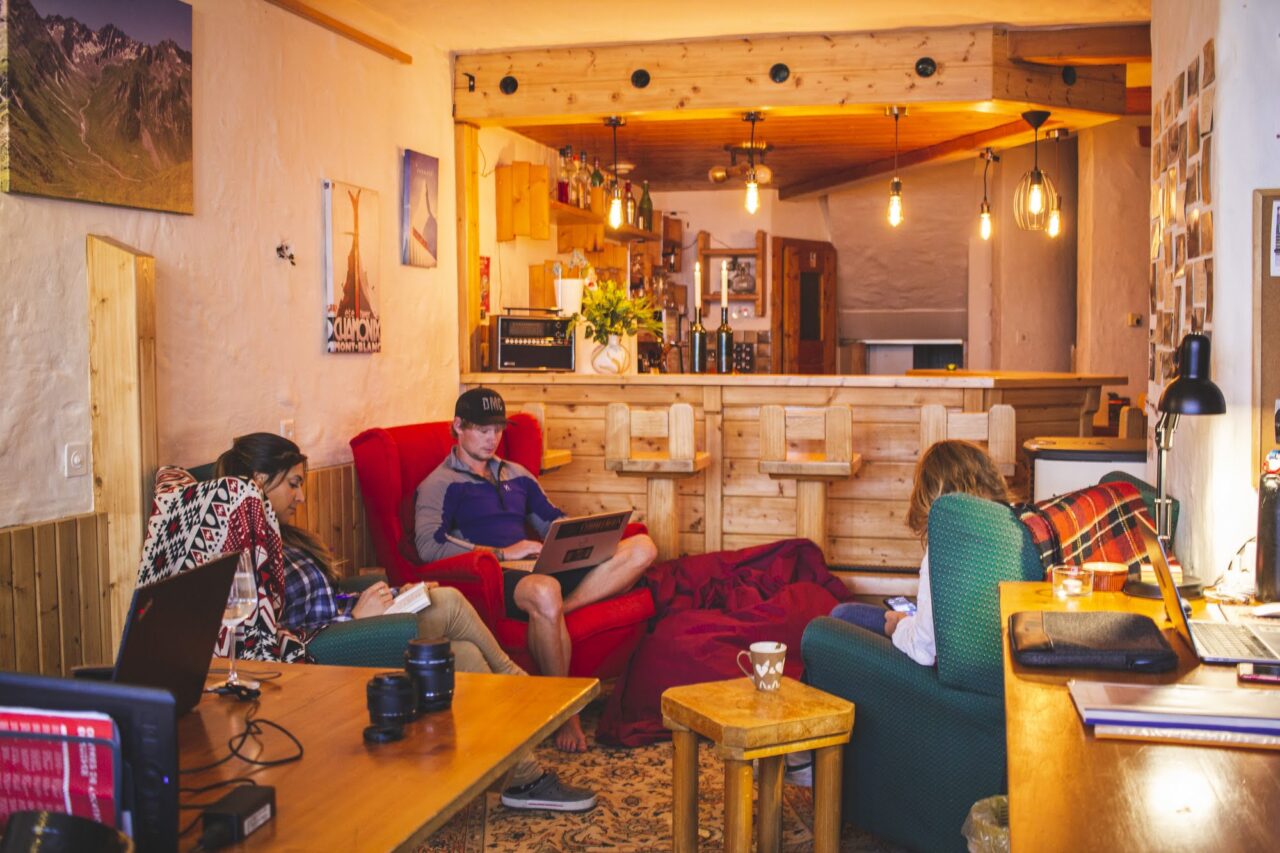
Residents normally have a private or shared bedroom and access to common areas, a kitchen and coworking facilities. Some colivings also have gyms, gardens, pools or dedicated spaces for calls and events.
The biggest advantage is flexibility.
You can often arrive and leave according to your own schedule, staying for a few weeks or several months. Established colivings also tend to have reliable infrastructure and clear routines.
However, this flexibility can influence the community dynamic.
If ten residents arrive on ten different dates and leave at different times, everyone is at a different stage of their experience. One person may be excited about exploring the destination while another has already been there for two months. Friendships can be strong, but the community is constantly changing.
Permanent coliving works particularly well for nomads looking for stability, longer stays and freedom over their dates.
What Is a Pop Up Coliving?
A Pop Up Coliving is temporary.
Instead of operating permanently throughout the year, a community is created in a destination for a specific period — for example, three weeks or one month.
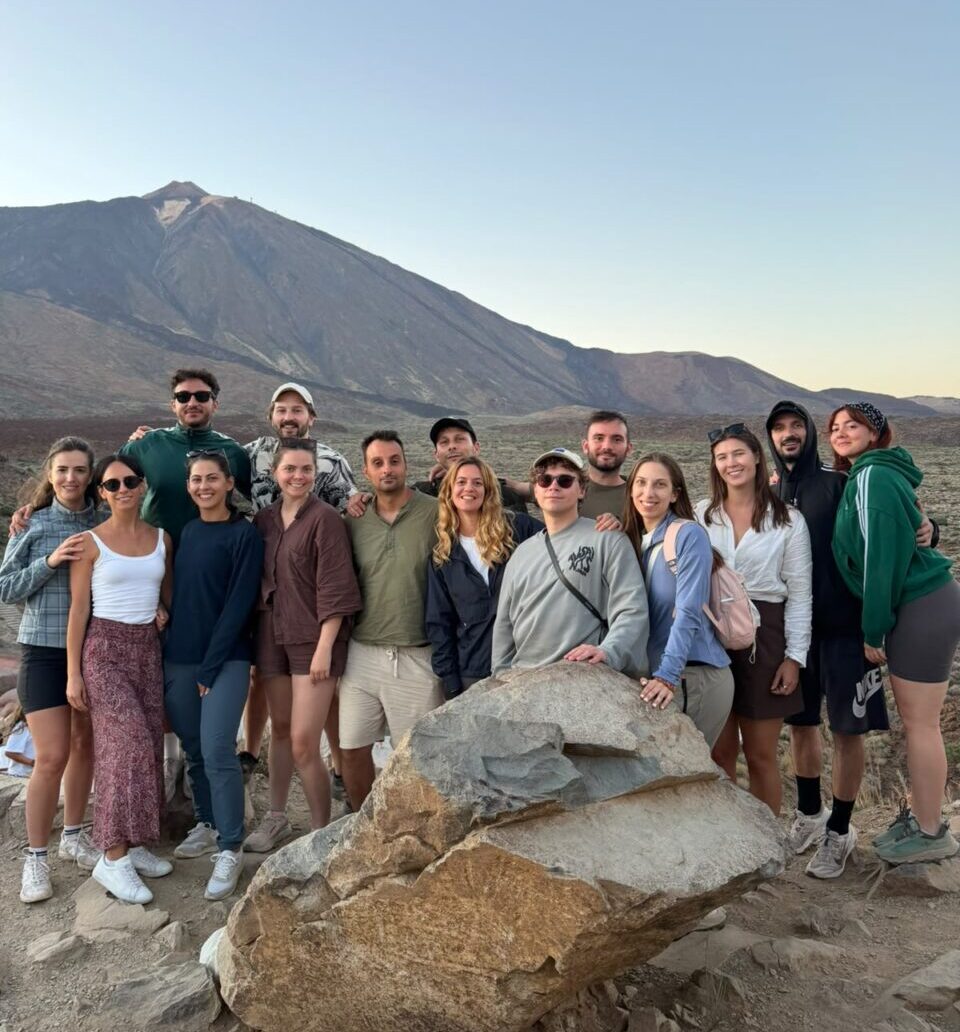
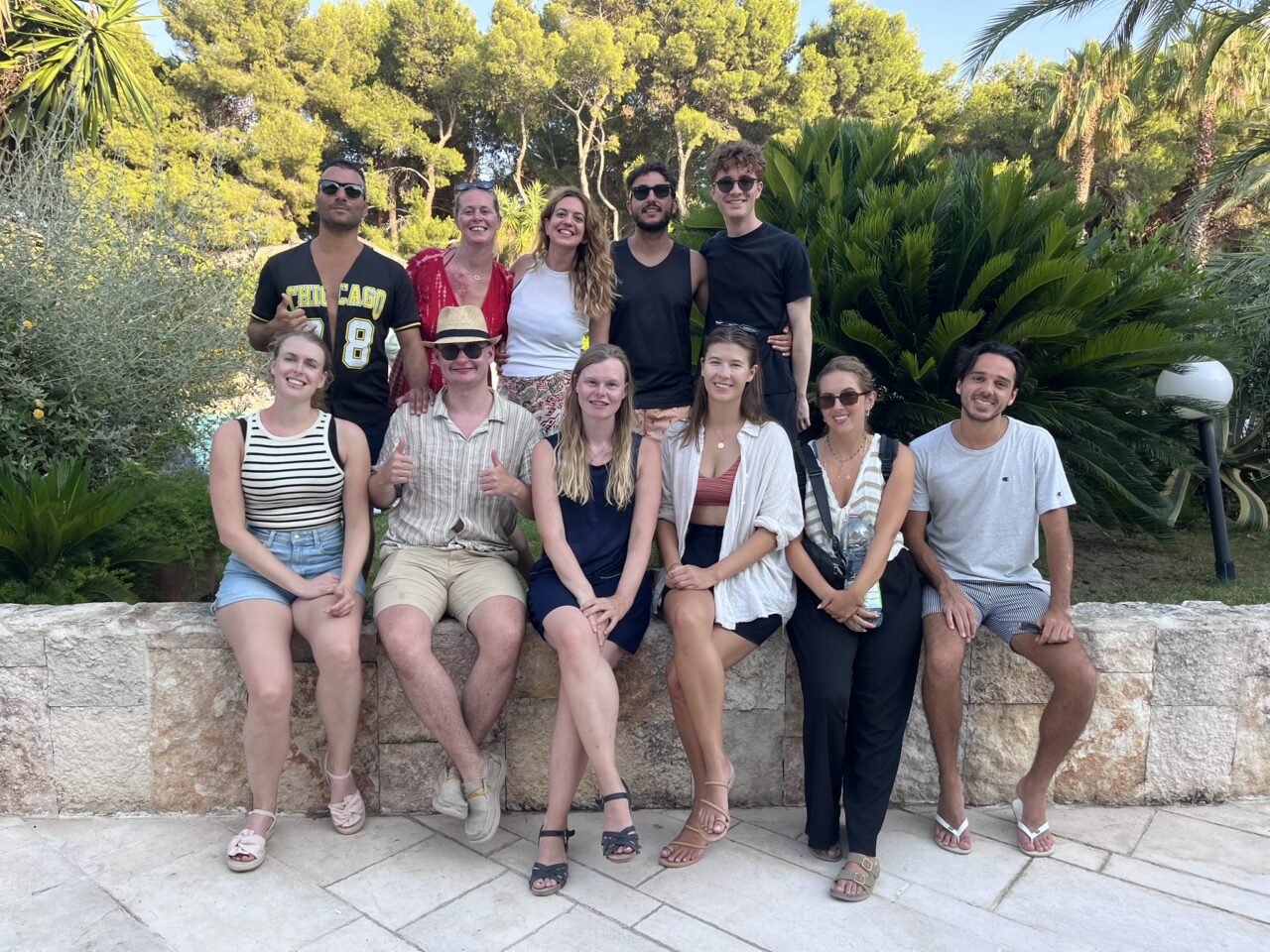
Participants usually arrive around the same time, experience the destination together and leave around the same time.
The physical model can also be different. A Pop Up Coliving does not necessarily require one large dedicated building. Participants can stay in different apartments, guesthouses or local accommodations while sharing a central coworking space and participating in the same community programme.
This is the model we use at Tursi Digital Nomads.
Our communities generally last around three weeks, creating a clear beginning and end to the experience. People work normally during the week, while dinners, local activities, workshops and weekend experiences create opportunities to connect.
The objective is not to simulate a holiday. It is to temporarily live somewhere together.
What Is a Coworking Trip?
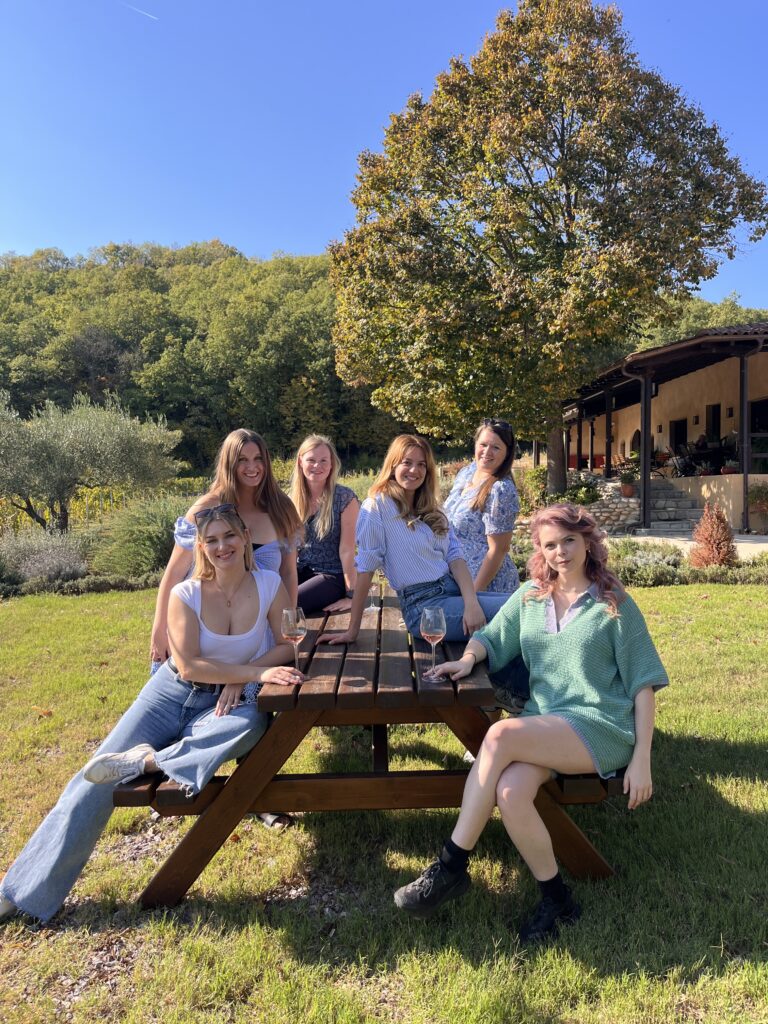
A Coworking trip (sometimes described as a workation, remote-work retreat or organized nomad trip) puts more emphasis on travelling as a group.
Participants normally join for a predefined period and share accommodation, workspaces and activities. Some formats stay in one destination, while others move between multiple places.
A Coworking trip can be ideal for people who want a highly organized experience. Logistics are handled for you, there is usually an activity programme and meeting people requires very little effort.
The trade-off is intensity.
When too many excursions, dinners and social activities are scheduled, balancing the experience with a normal working week can become difficult. You may technically be working remotely, but sometimes feel as though you are trying to fit a full-time job into a group holiday.
So which model works best?
We compare them through five elements.
1. Community: Starting Together Changes Everything
This is probably the biggest advantage of a Pop Up Coliving.
In a permanent coliving, you might arrive when existing residents already know each other. Two people may leave three days later and three new people arrive the following week.
In a pop-up community, almost everyone starts from zero together.
Nobody knows where the best café is. Nobody has already formed their group. Everyone is discovering the destination and the community at roughly the same time.
That shared starting point creates a natural incentive to connect.
The first dinner matters. The first weekend matters. Even figuring out where to buy groceries can become a shared experience.
After a week, the group often feels completely different from the collection of strangers that arrived on day one.
A Coworking trip can generate the same immediate connection, but the community is often built around a more intensive activity schedule. A Pop Up Coliving leaves more space for relationships to develop through normal everyday life.
2. Duration: Three Weeks Is a Powerful Sweet Spot
A weekend retreat is too short to experience normal life in a destination.
Six months is unrealistic for many remote workers.
We have found that approximately three weeks creates an interesting middle ground.
The first few days are about meeting people and understanding the destination. During the second week, routines start forming. By the third week, participants are no longer simply visitors: they know their favourite café, recognize local people and have developed relationships within the group.
At the same time, three weeks is short enough to fit into the lifestyle of many Digital Nomads and remote professionals.
This is one of the biggest differences compared with a short Coworking trip. You have enough time to stop feeling like you are on a trip and start experiencing what living in the destination actually feels like.
3. Work-Life Balance: Community Without the Pressure to Participate
A remote-work community should remember one important detail: people still have jobs!
A packed schedule may look attractive on a landing page, but having an activity every afternoon becomes exhausting when participants also have meetings, deadlines and clients.
This is where we believe the Pop Up Coliving model works particularly well.
During our three-week experiences, working hours remain working hours. Coworking provides the shared daily environment, while activities happen around people’s professional lives.
Some evenings might include a community dinner or local experience. Weekends can be used for larger excursions. Other evenings remain completely free.
And participation should never feel mandatory.
Compared with a highly programmed Coworking trip, this gives participants more control over their energy while still providing enough structure to prevent the experience from becoming socially disconnected.
4. Local Experience: Living in a Destination Instead of Visiting It
This is where Pop Up Coliving can become much more than a nomad community.
A permanent coliving needs to operate all year, which often means that the property itself becomes the centre of the experience. A Coworking trip, meanwhile, can easily become focused on visiting attractions.
A Pop Up Coliving can be designed around the destination itself.
This is particularly important in our communities in Southern Italy.
In Tursi, for example, participants don’t live inside an isolated “digital nomad campus.” They stay in accommodation distributed through the town, work together and use the same restaurants, cafés, shops and public spaces as local residents.
Activities can then become opportunities for interaction: cooking with locals, visiting producers, joining village events, hiking with people from the area or simply having an aperitivo in the same bar repeatedly for three weeks.
By the end, you haven’t only met other nomads. You’ve met the place.
For us, this is one of the strongest arguments for the Pop Up Coliving model.
5. Freedom vs Structure: Finding the Right Balance
Permanent coliving offers maximum freedom.
A structured Coworking trip offers maximum convenience.
A Pop Up Coliving sits between them.
You know when the community starts and ends. You know there will be other remote workers there. You have accommodation, coworking and a basic programme around you.
But you still control your day.
Want to join dinner? Great.
Need to work late? No problem.
Want to spend Saturday exploring with ten people? Join the group.
Want a quiet weekend alone? That’s equally fine.
This balance matters because digital nomads generally choose remote work precisely because they value autonomy.
A community should add possibilities to your lifestyle, not replace your calendar with another one.
Permanent Coliving vs Pop Up Coliving vs Coworking Trip: Which Should You Choose?
There is no universally correct model.
Choose a Permanent Coliving if you want maximum flexibility, established infrastructure and the possibility of staying for several months.
Choose a Coworking trip if you want a shorter, more organized experience where travel, activities and social interaction are central.
Choose a Pop Up Coliving if you want to temporarily live in a destination with a group of people who arrive at roughly the same time, while maintaining your normal remote-work routine.
For us, that last combination is particularly powerful.
It creates enough structure to build community without turning the experience into an organized holiday. It lasts long enough to develop meaningful relationships without requiring a long-term commitment. And it gives participants enough time to connect not only with each other, but with the destination itself.
Why We Chose the Three-Week Pop Up Coliving Model
When we started Tursi Digital Nomads, our objective wasn’t simply to fill a building with remote workers.
We wanted people to experience places differently.
That’s why our Pop Up Coliving communities are usually built around approximately three weeks and a shared arrival period.
The limited duration creates momentum. People know that the experience will end, so they are more likely to participate, connect and make the most of the time together.
But three weeks also allows normality to emerge.
After the initial excitement disappears, people work, cook, exercise, go for coffee, complain about deadlines and make spontaneous plans. In other words, they start living rather than visiting.
And that is the experience we are trying to create.
Not a hotel. Not an organized holiday. Not three weeks of forced networking.
A temporary version of everyday life, shared with people who might otherwise never have met.
For many digital nomads, we believe that is exactly where the Pop Up Coliving model becomes special.