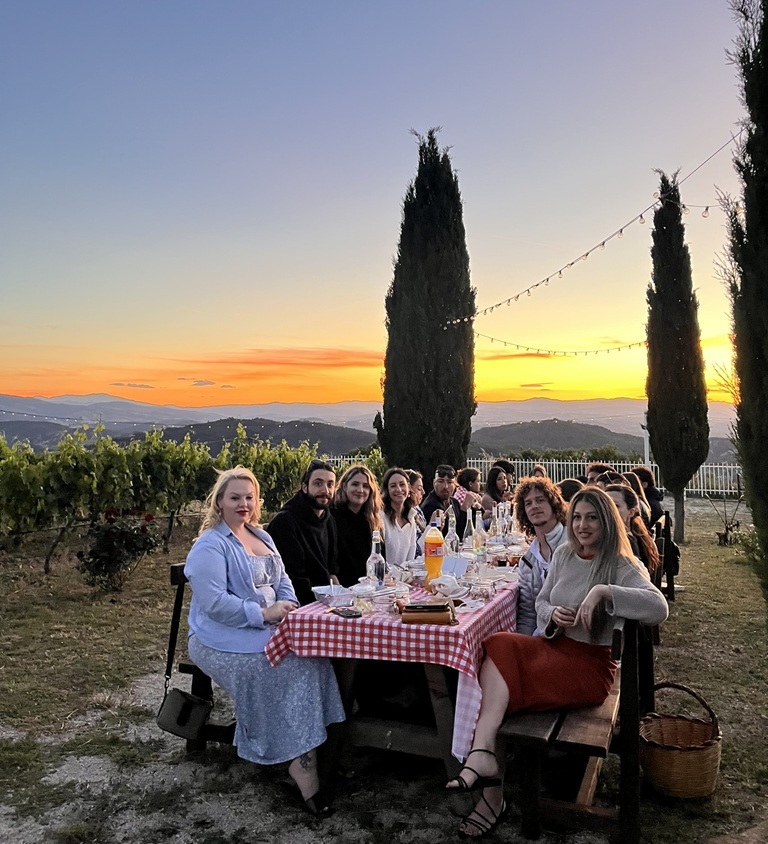

Colivings in Italy: A Shift from Cities to Rural Living
For years, digital nomadism has been associated with big cities and global hotspots. Places like Lisbon, Barcelona, and Bali became synonymous with remote work, offering infrastructure, networking, and international communities.
But something is changing.
A growing number of remote workers are moving away from overcrowded cities and rediscovering a different way of living, one that is slower, more connected, and deeply rooted in local culture. This shift is giving rise to a new model: rural colivings and decentralized hubs built around digital nomads communities in Europe.
These are not just places to stay. They are ecosystems designed to support remote work while fostering meaningful human connections.
Italy is becoming one of the most attractive destinations for remote workers, not only for its lifestyle but also for the rapid growth of colivings in Italy. These experiences are redefining how digital nomads live and work, offering a combination of community, productivity, and cultural immersion.
As colivings in Italy continue to expand, more digital nomads are choosing smaller towns over large cities, contributing to the rise of new digital nomads communities in Europe.
What Are Rural Colivings for Digital Nomads?
Rural colivings are small-scale, community-driven environments where digital nomads can live and work in non-urban areas. Unlike traditional coworking spaces in cities, these hubs are often integrated into villages, historic towns, or natural landscapes.
The concept goes beyond infrastructure. It is about creating intentional communities where people share not only workspaces, but also experiences, routines, and local life.
In many cases, these hubs take the form of rural colivings, where accommodation, coworking, and community are combined into a single experience. This model is particularly strong in Southern Europe, where unused buildings and declining populations create opportunities for regeneration.
Why Digital Nomads Are Choosing Rural Colivings
The growing interest in rural colivings is not simply a reaction to overcrowded cities, but the result of a deeper shift in priorities. Many digital nomads who have spent time in major hubs eventually reach a point where the fast pace, rising costs, and constant turnover of people start to feel unsustainable. What initially feels exciting can gradually become impersonal.
Rural environments offer a different rhythm. Life slows down, interactions become more meaningful, and there is more space, both physically and mentally, to focus on work and personal well-being. This is where rural colivings begin to stand out, not just as an alternative, but as a more intentional choice.
In these settings, people are not just passing through. They stay longer, engage more deeply, and often become part of the local fabric. This shift is also reshaping digital nomads communities in Europe, moving them away from transient networks toward more stable and connected ecosystems. Increasingly, digital nomads are not just looking for places to work from, but places where they can feel grounded.
Italy: A Growing Ecosystem of Colivings and Rural Communities
Italy is emerging as one of the most interesting countries for this new model, thanks to its vast network of small towns and its cultural richness.
What makes the colivings in Italy particularly unique is their strong connection with local culture and territory. Unlike more standardized coliving models, many colivings in Italy are deeply integrated into small villages, where digital nomads can interact with local communities and experience everyday life beyond tourism.
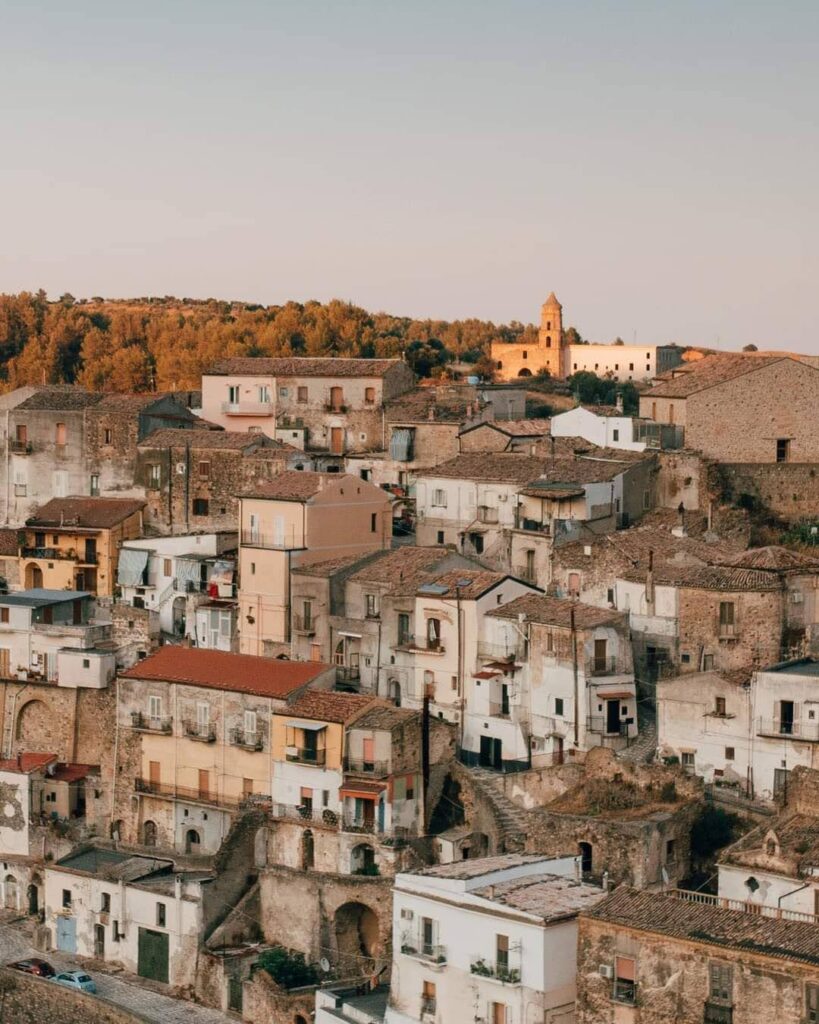
Organization like Tursi Digital Nomads are at the forefront of this transformation, building digital nomads communities in Europe rooted in local contexts. Through initiatives developed in Tursi, Rotondella, Matera, and Patù, these communities are not only attracting remote workers, but also contributing to the revitalization of rural areas as well as experimenting flexible models of coliving, allowing digital nomads to move between different locations while maintaining a sense of continuity and community.
These initiatives represent a new generation of colivings in Italy, where the focus is not just on accommodation, but on creating long-term relationships between locals and international professionals.
Another notable example is Start Working Pontremoli, a project in Tuscany region that combines remote work with local regeneration, attracting professionals who are looking for a slower and more integrated lifestyle.
More than 50 people from around the world have moved to Pontremoli for at least two months through the Start Working project, with 15 of them becoming permanent residents. The initiative promotes digital working, utilizing a free coworking space and community-building activities to revitalize the area.
Alongside these initiatives, independent projects such as Masseria Olga Coliving and Nesting Away are redefining the concept of hospitality, blending traditional architecture with modern remote work needs. These spaces show how Colivings in Italy can become catalysts for both community building and territorial development.
Greece: Emerging Destinations for Rural Colivings
The expansion of the colivings in Italy is also influencing other countries, setting a benchmark for how rural colivings can be structured around community, sustainability, and local impact.
Greece for example is also becoming a key player in this landscape, with a growing number of initiatives focused on rural digital nomadism.
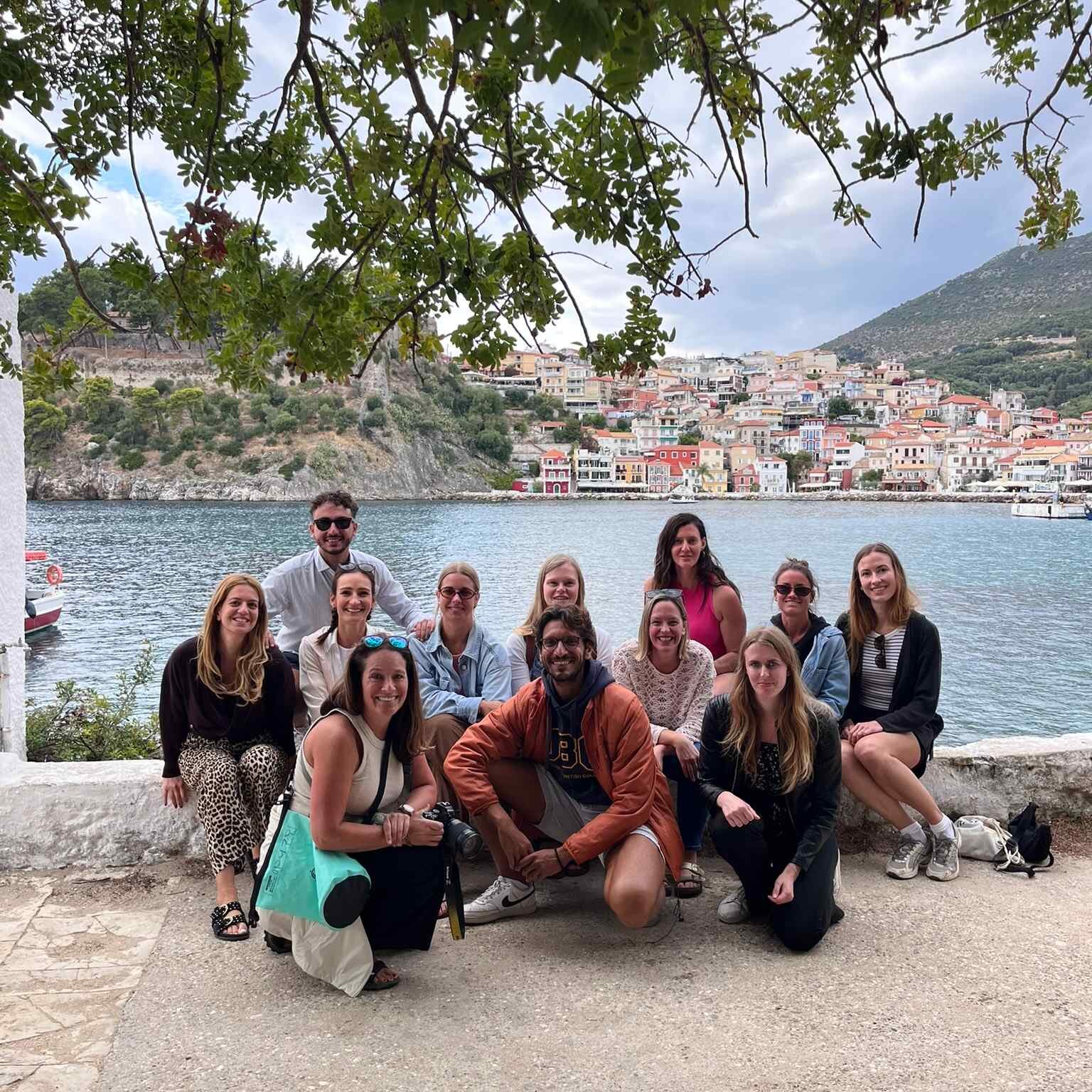
Communities developed by Tursi Digital Nomads in places like Parga and Dimitsana highlight how the colivings in Greece can combine natural beauty with structured community experiences.
These locations offer something unique: a balance between Mediterranean lifestyle and a slower pace of life, where digital nomads can truly disconnect from the noise of cities while remaining productive.
As more remote workers look for alternatives to saturated destinations, colivings in Greece are gaining attention as authentic and sustainable options.
Spain, Switzerland and the Expansion of Rural Hubs
Beyond Italy and Greece, the movement is spreading across Europe.
In Spain, initiatives like Rooral are playing a key role in shaping a new vision for rural digital nomadism. Rather than focusing on a multiple destination, Rooral works only in Benarrabà, a small village in Malaga region, where they setup digital nomads communities almost for the entire year, supporting and contributing to bring in the small village new energy, skills, and economic activity, reinforcing the idea that digital nomads communities in Europe can thrive outside major urban centers.
In Switzerland, Coliving Frilingue offers a slightly different but equally interesting perspective on rural colivings. Located in a mountain environment, it combines remote work with language learning and cultural exchange, creating a more immersive experience. What makes this model unique is its focus on personal development alongside professional activity. Participants are not only working remotely, but also engaging with local culture and improving their language skills, showing how rural colivings can evolve into spaces that go beyond work and become environments for growth and connection.
Beyond Infrastructure: The Power of Community
While infrastructure remains important, it is no longer the defining factor in choosing where to live and work. Reliable internet and comfortable workspaces are now expected almost everywhere. What truly makes the difference is the presence of a strong and active digital nomads community.
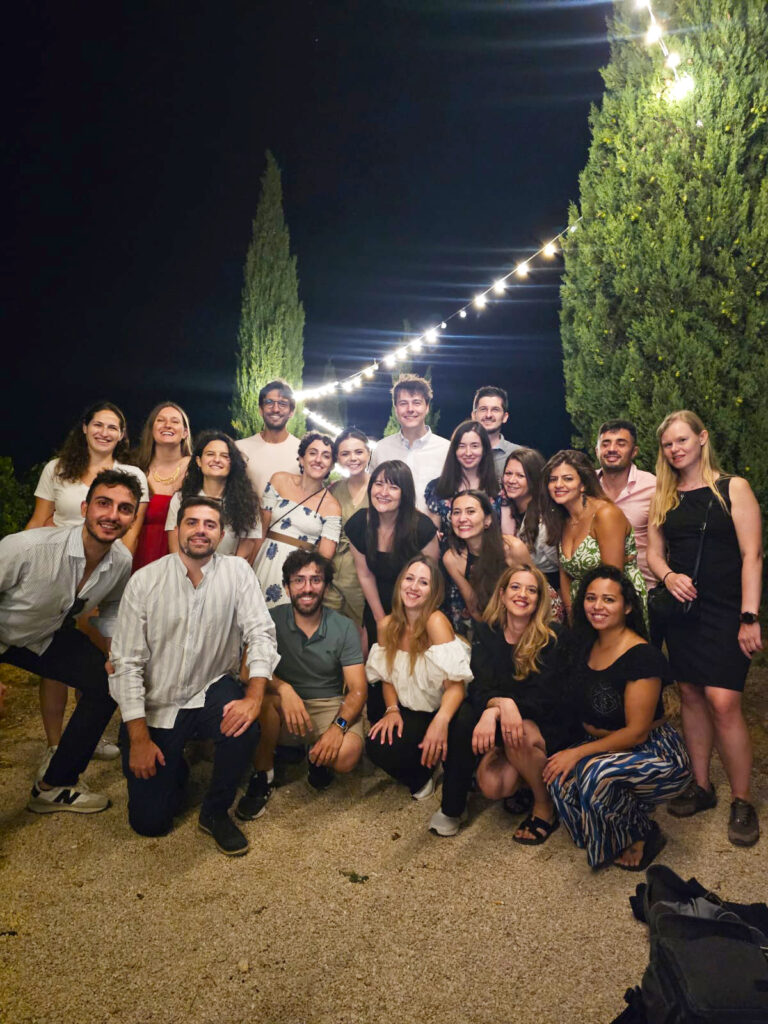
In rural hubs, community is not an accessory, it is the core of the experience. Smaller group sizes and shared daily routines create an environment where relationships develop naturally. Conversations are not limited to networking events or scheduled meetups, but emerge organically during meals, walks, or shared moments of downtime.
This dynamic changes the way people connect. Instead of short-lived interactions, there is space for trust to build over time. Collaborations often emerge spontaneously, friendships deepen quickly, and in many cases, people leave with connections that extend far beyond their stay.
In this sense, rural colivings are not just places to live and work, but environments where a true sense of belonging can develop. The community becomes a support system, a source of inspiration, and often one of the main reasons why people choose to return.
The Future of Digital Nomadism in Europe
The evolution of digital nomadism in Europe is moving toward a more balanced and sustainable model. While large cities will always play a role, the focus is gradually shifting toward smaller destinations that offer a better quality of life and a deeper connection to place.
This is where the growth of colivings in Italy and colivings in Greece becomes particularly significant. These countries combine cultural richness, natural beauty, and a strong sense of identity, making them ideal environments for long-term stays rather than short visits. As more professionals look for stability without giving up flexibility, these destinations are becoming increasingly relevant.
At the same time, digital nomads communities in Europe are evolving. They are no longer defined solely by mobility, but by their ability to create continuity across different locations. Rural hubs are playing a key role in this transformation, offering spaces where people can slow down without disconnecting from their work or their network.
Looking ahead, digital nomadism is likely to become less about constant movement and more about intentional living. Rural colivings represent this shift perfectly, offering a model where work, community, and lifestyle are not separate elements, but part of a cohesive experience.
Final Thoughts: A More Intentional Way of Living
Rural colivings represent a new chapter in digital nomadism. They offer an alternative to fast-paced, consumption-driven travel and replace it with something more intentional.
Choosing a rural coliving is not just about changing location. It is about changing perspective.
The growth of the colivings in Italy and in Europe reflects a broader shift in digital nomadism, where people are no longer looking only for mobility, but for stability and belonging.
As more professionals discover the value of the colivings in Italy, these spaces are becoming central to the development of new digital nomads communities in Europe, shaping the future of remote work in a more intentional and sustainable way.
For those willing to step outside the traditional nomad path, these emerging communities offer something rare: the possibility to belong, to contribute, and to build something meaningful while working remotely.
