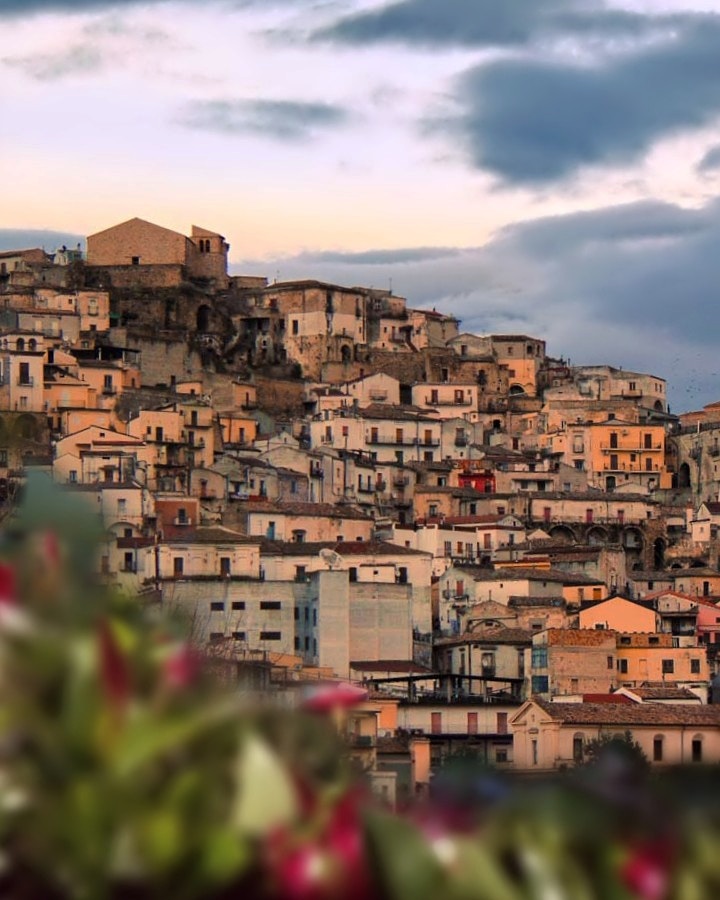

Nestled in the heart of Basilicata, Southern Italy, Tursi is far more than a picturesque medieval village. It is a place where centuries of migrations, encounters, and civilizations have layered themselves into a unique identity, an identity that can still be felt today while walking through its ancient streets.
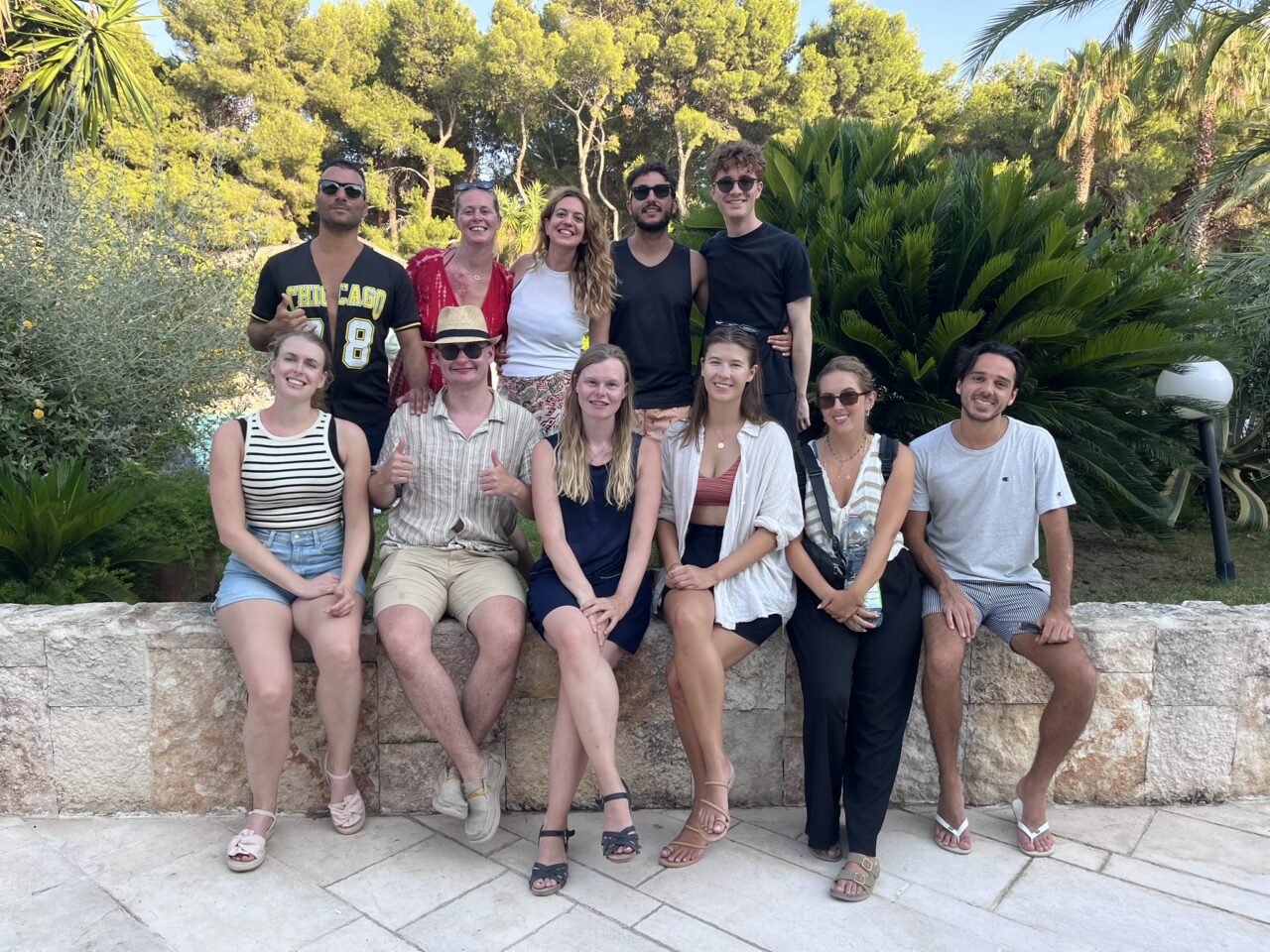
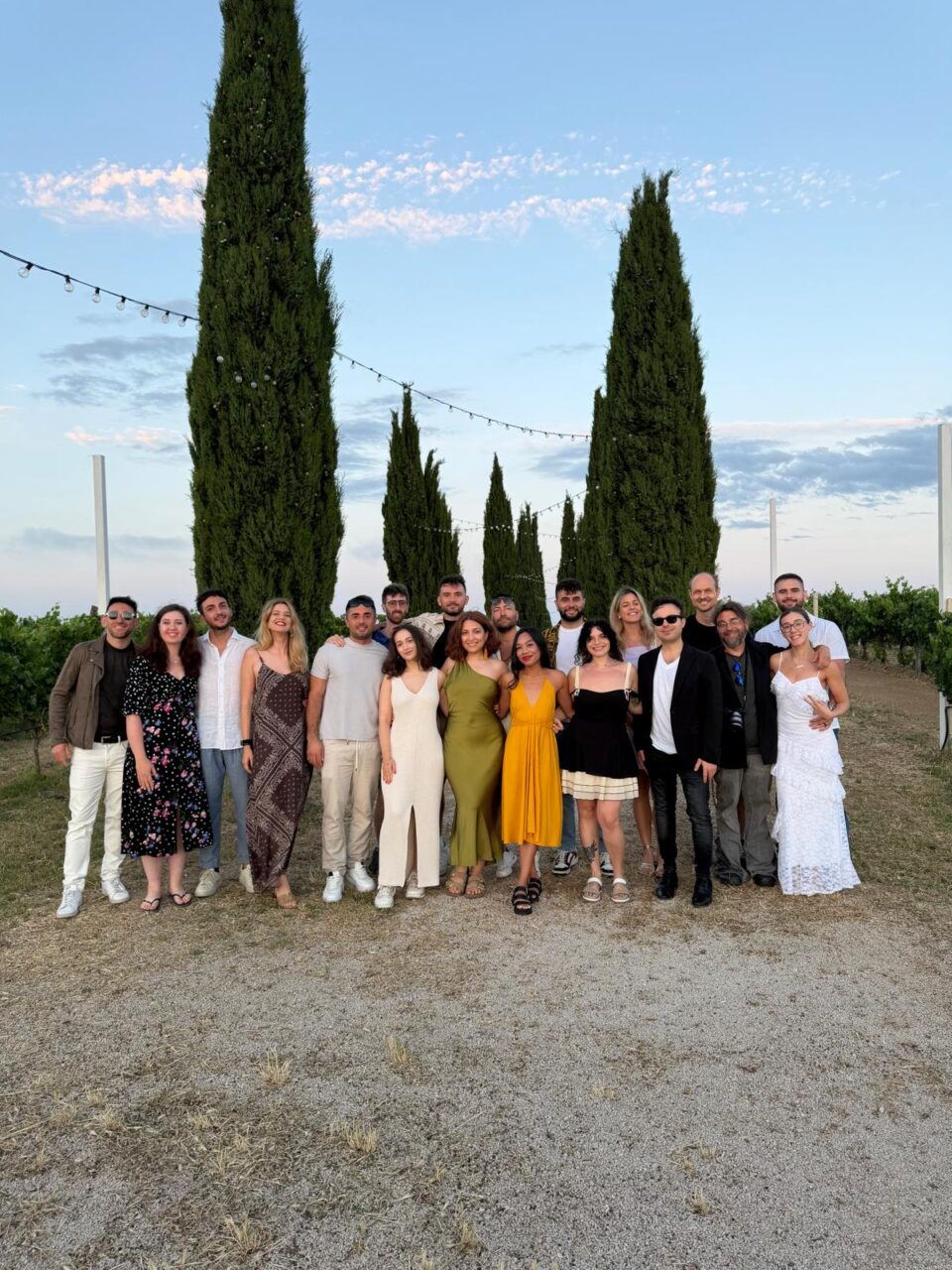
This tradition of openness and cultural exchange did not end in the past. Today, through Tursi Digital Nomads, the village continues its millenary, multi-ethnic vocation, welcoming people from all over the world who choose to live and work here remotely, just as travelers, soldiers, scholars, and merchants once did.
Understanding the history of Tursi therefore means discovering why this small town has always been a strategic, cultural, and human crossroads, a place shaped by diversity, adaptability, and the constant meeting of different worlds.
From the Fall of the Roman Empire to the Gothic Age
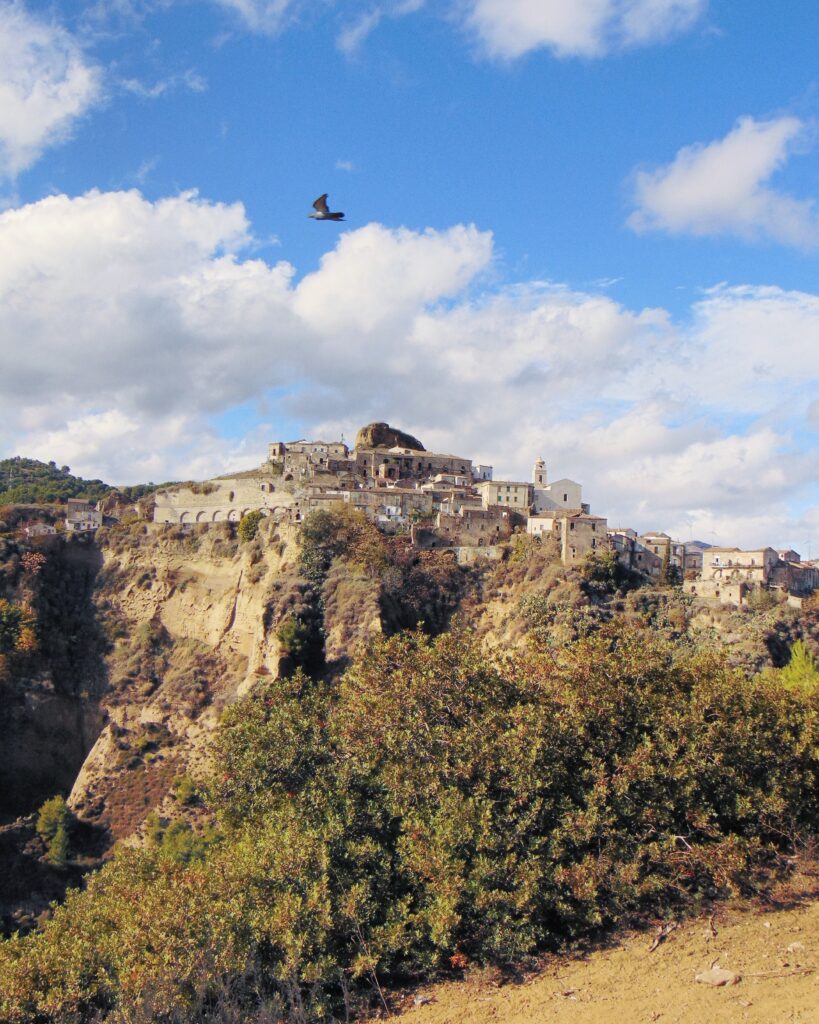
The origins of Tursi can be traced back to the aftermath of the fall of the Western Roman Empire in 476 AD. As Roman authority collapsed, the territory saw the arrival of the Goths, who recognized the strategic value of this hilltop location. To control the surrounding valleys and trade routes, they built a watchtower, marking the beginning of an organized settlement and the first defensive structure of what would later become the medieval town.
This early phase laid the foundations for Tursi’s long-standing role as a fortified and strategic center in Southern Italy.
The Arab Period and the Birth of the Rabatana
By the 9th century, Tursi had become one of the most important military strongholds of the Arab expansion in Southern Italy. Unlike many other places, Arab presence here was not merely temporary or military: it deeply shaped the urban fabric and daily life of the town.
This legacy is still visible today in the Rabatana, the ancient quarter of Tursi, whose name itself derives from Arabic toponymy. The architecture and urban planning tell a clear story:
- narrow streets intersecting along a main axis;
- houses built partially below street level;
- sophisticated systems for water collection and drainage;
- and the natural protection offered by a forest to the west, used strategically for defense;
The Rabatana stands today as one of the most authentic examples of Arab-influenced medieval architecture in Italy, making Tursi a unique case in the history of Basilicata.
Byzantine Tursi and the Greek Cultural Heritage
In the 10th century, the Byzantines reconquered Southern Italy, establishing the Catepanate of Italy. Within this new administrative structure, Tursi emerged as a place of great importance: it is documented as the capital of the Thema of Loukania.
During this period, Greek language and Greek rite Christianity dominated religious and cultural life. This is further confirmed in 968 AD, when Emperor Nikephoros II Phokas designated Tursi as a bishopric seat of the Greek rite. The Byzantine influence deeply shaped local traditions, religious practices, and identity, traces of which survived for centuries.
Norman Conquest and the Age of Castles
With the arrival of the Normans and the fall of Byzantine rule, Tursi entered the age of castles, the widespread medieval process of castle-building. An ancient fortress overlooking the town was expanded, reinforcing its defensive role.
However, Tursi gradually lost political and religious prominence in favor of Anglona, which became the main Christian (Latin rite) episcopal seat. Despite this shift, Hellenic and Greek cultural influences remained strong. This persistence is famously evidenced during the reign of Frederick II of Swabia, Stupor Mundi, who ordered the Constitutions of Melfi to be translated into Greek so that local populations in areas like Tursi could fully understand the law.
Demographic Growth and Urban Expansion
In the 14th century, following the destruction of Anglona—an event documented even by Queen Joanna II of Anjou—Tursi experienced significant population growth. New inhabitants settled not only in the Rabatana but also in the lower area, giving rise to the San Michele district.
This expansion continued throughout the 15th and 16th centuries, when Tursi became the most populous town in Basilicata. For a brief but meaningful period, it even achieved the status of a royal demesne city, freeing itself from feudal control. This was no small feat, especially considering that Tursi had long been ruled by powerful and feared families such as the Sanseverino and later the Doria, during the Spanish Viceroyalty in the 17th century.
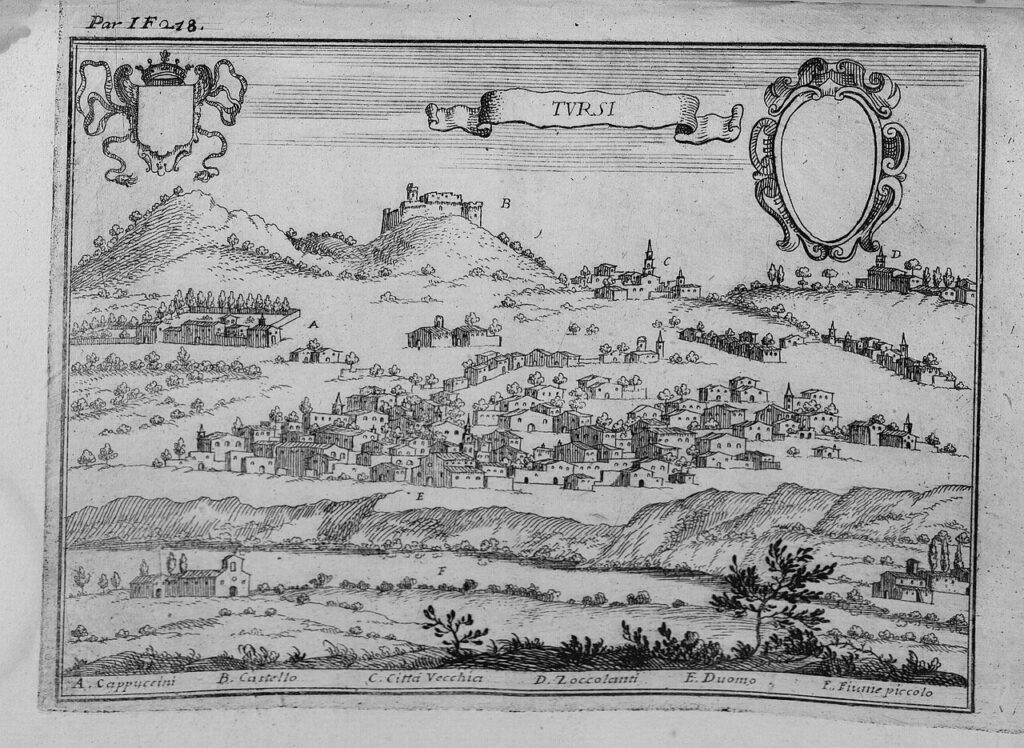
A Center of Culture and Learning
By the 17th century, Tursi had established itself as a lively cultural and intellectual center. It gave birth to Brancalasso, author of La Betullia Liberata, and was home to numerous jurists, doctors, and notaries.
This flourishing intellectual life is also confirmed by the Onciario Cadastre, ordered by Charles III of Bourbon after ascending the throne of the Kingdom of Naples in 1734, which documents a socially complex and educated community.
Brigandage and the Turmoil of the 19th Century
The 19th century brought dramatic change. In the wake of Napoleonic upheavals and later the Italian Risorgimento, Tursi—like much of Southern Italy—became a stronghold of brigandage, often supported by the Bourbon Kingdom of the Two Sicilies.
One of the most famous episodes was the occupation of the Convent of San Francesco (built in 1454) by brigands, who resisted the Carabinieri of the newly formed Kingdom of Italy. This period reflects the social tensions and struggles that marked Italy’s unification process.
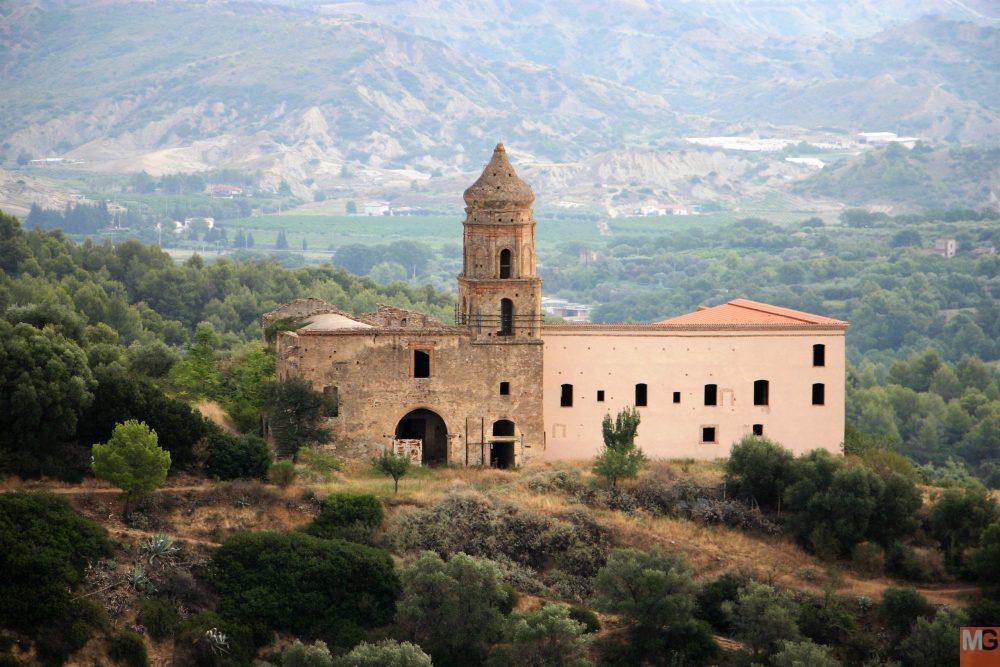
Albino Pierro and the Voice of the 20th Century
In the 20th century, Tursi gave Italy one of its most powerful poetic voices: Albino Pierro, a dialect poet who wrote in the local Tursi vernacular and was nominated several times for the Nobel Prize in Literature. Through his poetry, Pierro preserved the soul, language, and memory of Tursi, projecting this small town onto the international cultural stage.
“Ch c’arrevè alla Ravaten s nchianet a P’trizz, ca paret na schej appunt’llet a na timpa sciullet” (A’ Ravaten – Albino Pierro)
Tursi in the 21st Century: From Ancient Crossroads to Italy’s First Digital Nomad Village
In the 21st century, thanks to the project implemented by Salvatore Gulfo, founder of Tursi Digital Nomads,
Tursi enters history once again—this time as Italy’s first Digital Nomad Village. Far from being a break with the past, this transformation represents a natural continuation of its millenary identity.
For over a thousand years, Tursi has been a place of passage, encounter, and coexistence. Goths, Arabs, Byzantines, Normans, scholars, poets, and travelers have all crossed its streets, leaving behind languages, ideas, architectures, and ways of life. Each era brought new energies, reshaping the town without erasing what came before.
Today’s digital nomads follow the same invisible paths. They arrive from different countries, cultures, and professional backgrounds, bringing with them knowledge, skills, and global perspectives. Just as in the past, Tursi becomes a space where diversity generates value, where innovation grows from tradition, and where human connections are as important as strategic location.
Choosing Tursi as a place to live and work remotely is not accidental. It reflects a deeper logic rooted in history: Tursi has always been a borderland and a bridge, a village capable of welcoming change while preserving its soul. In this sense, remote work, digital communities, and new forms of living are not foreign concepts, but modern expressions of an ancient vocation.
By becoming a Digital Nomad Village, Tursi does not simply adapt to the future but it reclaims its role in history. A village that once connected empires now connects people. A place once shaped by travelers now inspires a new generation of global citizens seeking meaning, balance, and belonging.
In Tursi, the past and the future meet. And once again, history is being written.
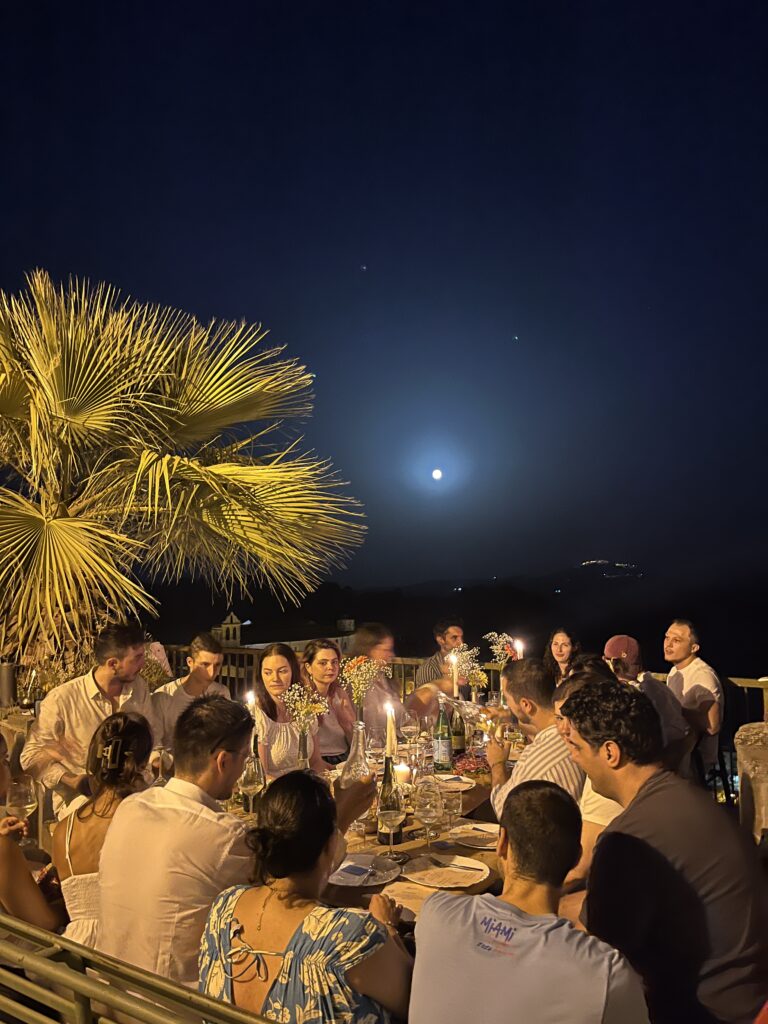
Whether you’re planning your next adventure or already living the digital nomad lifestyle, Tursi Digital Nomads is here to guide and inspire you. Follow us for more insights, local tips, and stories from the heart of Southern Italy.
Check out our upcoming Remote Inn Tursi 2026 project!
Let’s build a community of explorers—one journey at a time!